Teresa, lengua del amor despierto
El Faro de Alejandría
Newsletter de Israel Centeno/ Edicion. Dia de la madre
Teresa, lengua del amor despierto
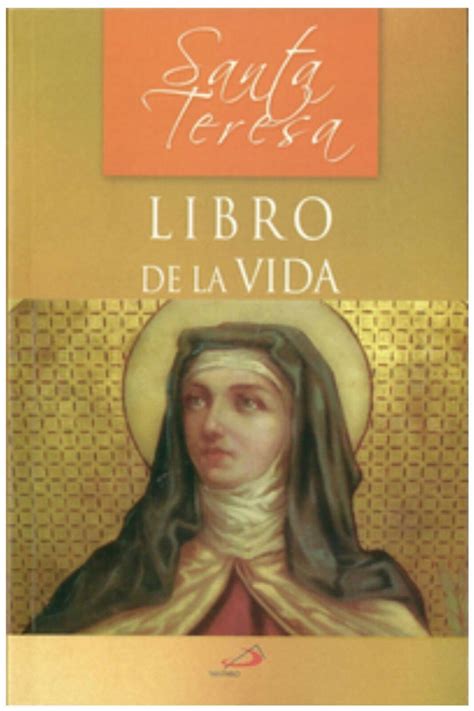
En Pittsburgh, ciudad de niebla, ríos y fantasmas, escribo esto con la certeza de que, si vuelvo, es solo por medio de la palabra. Esta carta es faro. No alumbra verdades definitivas, pero busca con insistencia. Hoy, ese rayo busca a una mujer que supo hablar con Dios como si hablara con el silencio.
Santa Teresa de Jesús, la Santa Madre, no predicó lo imposible. Pidió solo tres cosas: amor fraterno, desasimiento de todo lo criado, y humildad verdadera. Lo que ocurre es que eso, tan sencillo, nos cuesta la vida entera.
Adolecemos. Esa es nuestra adolescencia espiritual. Buscamos ser libres, pero seguimos atrapados en la urgencia de ser vistos, aceptados, celebrados. Nos aferramos al yo como si fuera el último refugio, cuando es solo el primer callejón sin salida. Santa Teresa, sin aspavientos, propone otra geografía interior. Un mapa con tres senderos: amar, soltar, y saberse tierra.
Amar, pero no con la lengua ambigua que dice “amor” mientras busca solo afecto, validación, seguridad. Amar como el Capitán del amor, que es Cristo. Amar como quien da, no como quien espera. Teresa quiere que los que traten con sus hijas “aprendan su lengua”, y esa lengua es el amor despierto, no sentimental, no disimulado. Amor que se ejercita en los detalles: en ver al otro, en renunciar al protagonismo, en no hacerse el centro.
Amar sin compensaciones, sin negociar afectos. Amar al que es menos grato, menos “atractivo”. Amar sin elegir. Porque amar al que no nos conviene es lo que nos convierte.
Y para eso, dice Teresa, hay que desasir. Soltar el mundo. Pero no como desprecio, sino como confianza radical. Mirar al Cristo pobre y desposeído. No tener seguridad fuera de Él. El desasimiento comienza por uno mismo. Por dejar de hacer del cuerpo un altar. Por dejar de girar en torno a miedos, hipocondrías, pasados irresueltos y el constante deseo de control.
Nosotras, dice Teresa, debemos desprendernos incluso del temor. Porque el miedo es un mal futurible que nos vuelve esclavos de lo que no ha pasado. La Santa lo supo desde su enfermedad, desde su fragilidad convertida en fuerza. El cuerpo duele, pero no es el dueño. No debe ser el dueño. Desasirse es quitarse del centro, y dejar que Dios sea el centro.
Teresa no romantizó el sufrimiento. No lo convirtió en identidad. No lo usó como excusa. Fue una mujer enferma que se negó a vivir girando en torno a su enfermedad. En lugar de hacerse el centro de sus dolencias, hizo de sus dolores una escuela de libertad. Mientras el mundo moderno convierte el sufrimiento en capital emocional, Teresa lo convierte en tierra fecunda. Nos enseña que no se trata de negar el dolor, sino de no rendirle culto. De no usar nuestras penas como escudo, ni nuestras heridas como bandera. Porque el que hace del yo su altar, no puede ser libre.
Recordemos lo que Teresa nos dice del miedo. Ella, que convaleció de todo: del cuerpo, de la angustia, de la noche. Ella que vivió siempre al borde de sus límites físicos, nos recuerda con una claridad divina que el miedo es la mentira más sofisticada. Es sufrir antes de tiempo. Es vivir atados a un mal que tal vez no llegue nunca. Es temer la muerte más que a la vida sin sentido. Teresa no huyó de sus miedos: los enfrentó con fe. Y no cualquier fe. Fe descalza. Fe que camina, aun cuando las piernas tiemblan. Fe que se apoya en el callado que sostiene, no en la lógica que tranquiliza. “Dejadlo todo en Dios, venga lo que viniere” —dice—. Y en esa sola frase se encierra toda una mística de la libertad. Tragarse el miedo. No como acto heroico, sino como acto humilde. El que se abandona en Dios, ya no necesita controlar.
Y si el miedo es el disfraz más hábil del ego, la necesidad de aceptación es su reflejo más constante. Queremos ser aprobados, entendidos, elogiados. Queremos que nos lean, que nos abracen, que nos valoren. Pero esa necesidad, tan humana como persistente, termina por esclavizarnos. Porque quien vive pendiente de la aceptación del otro, nunca se encuentra. Se diluye. Teresa enseña que no es malo amar, pero que es letal vivir mendigando amor. El alma no crece a la sombra de la aprobación. Crece a la luz de la verdad.
Por eso, el desasimiento no es solo de cosas: es de imágenes. De la imagen que proyectamos, de la reputación que cultivamos, del yo que queremos preservar. Y la libertad verdadera empieza cuando dejamos de temer lo que los demás piensen de nosotros. No porque nos volvamos indiferentes, sino porque, como Teresa, descubrimos que solo Dios basta.
Y, al final, la humildad. No la timidez, no el complejo, no la pobreza desordenada. La humildad verdadera es la que nos pone en verdad. Ni más ni menos. La que no busca puestos, ni honores, ni el agrado de todos. La que no acumula agravios como trofeos ni se hace víctima para justificar su amargura.
La humildad que sabe que el mejor puesto no es el primero, sino el invisible. Que no vale más el que brilla, sino el que sostiene. El que se alegra con el bien del otro. El que no se explica, no se defiende, no se celebra.
La humildad, en Teresa, no es una virtud decorativa. No es una forma de suavizar el ego, ni una estrategia para parecer mejores. Tampoco es invisibilidad sumisa, ni falsa modestia. La humildad verdadera es lucidez. Es saber quién se es delante de Dios y, por tanto, no necesitar que nadie más nos lo confirme.
No se trata de pensar menos de uno mismo, sino de pensar menos en uno mismo. El humilde no necesita probarse, defenderse ni justificarse. Vive en la verdad —esa que no se defiende porque se basta sola—. Y por eso, el humilde es libre. Libre para alegrarse del bien ajeno. Libre para desaparecer sin trauma. Libre para amar sin medida y sin ganancia.
Teresa lo entendió todo: el alma crece cuando deja de exhibirse. La flor de la perfección no florece en el escenario. Nace en el silencio de quien hace sin ser visto, ora sin ser oído, y sirve sin dejar huella. Esa es la libertad que solo tienen los humildes: no ser necesarios, pero ser verdaderos.
En un mundo que se grita a sí mismo, Teresa es un susurro que aún resuena. No por volumen, sino por peso.
Ese es el lenguaje que Teresa nos enseña: el amor que despierta, la pobreza que libera, la humildad que no se anuncia. No hay otra lengua más que esa. Todo lo demás, es ruido de uno mismo.
Y por eso, mientras el mundo pide likes, Teresa pide silencio.
Sea este faro apenas eso: una luz temblorosa, pero cierta, que vuelve a alumbrar ese lenguaje. El de quienes han aprendido a hablar con Dios sin perderse en su propio eco.
🌿 Sobre el miedo y la soledad interior
“Porque para caer había muchos amigos que me ayudasen; para levantarme hallábame tan sola, que ahora me espanto cómo no me estaba siempre caída, y alabo la misericordia de Dios, que era sólo el que me daba la mano.”
— El libro de la vida Bookmate
Esta reflexión muestra cómo Teresa experimentó el abandono humano, pero encontró en Dios la fuerza para levantarse, superando así el miedo y la soledad.
🌿 Sobre el sufrimiento y la fe
“Muy a gusto escojo todos los sufrimientos del mundo por un poquito de gozar más por entender más profundamente las grandezas de Dios; pues veo que quien más lo comprende más le ama y alaba.”
— El libro de la vida ACI Prensa
Aquí, Teresa expresa su disposición a aceptar el sufrimiento como medio para profundizar en el conocimiento y amor de Dios, superando así el temor al dolor.
🌿 Sobre la humildad y la verdad
“La verdadera humildad está en contentarse con lo que el Señor quisiere hacer de ella.”
— Camino de perfección
Teresa enseña que la humildad auténtica consiste en aceptar la voluntad de Dios sin resistencias, lo cual libera del miedo a no ser aceptado o reconocido por los demás.
🌿 Sobre la oración y la confianza en Dios
“Dejad hacer al Señor de la casa. Sabio es, poderoso es, entiende lo que os conviene y lo que le conviene a Él también.”
— Camino de perfección Facebook
Esta frase invita a confiar plenamente en Dios, dejando de lado las preocupaciones y temores sobre el futuro o la necesidad de controlar todo.
— Israel Centeno
🌿 Sobre el miedo y la soledad interior
“Porque para caer había muchos amigos que me ayudasen; para levantarme hallábame tan sola, que ahora me espanto cómo no me estaba siempre caída, y alabo la misericordia de Dios, que era sólo el que me daba la mano.”
— El libro de la vida Bookmate
Esta reflexión muestra cómo Teresa experimentó el abandono humano, pero encontró en Dios la fuerza para levantarse, superando así el miedo y la soledad.
🌿 Sobre el sufrimiento y la fe
“Muy a gusto escojo todos los sufrimientos del mundo por un poquito de gozar más por entender más profundamente las grandezas de Dios; pues veo que quien más lo comprende más le ama y alaba.”
— El libro de la vida ACI Prensa
Aquí, Teresa expresa su disposición a aceptar el sufrimiento como medio para profundizar en el conocimiento y amor de Dios, superando así el temor al dolor.
The Lighthouse of Alexandria
Newsletter by Israel Centeno
Volume I: Teresa, language of awakened love
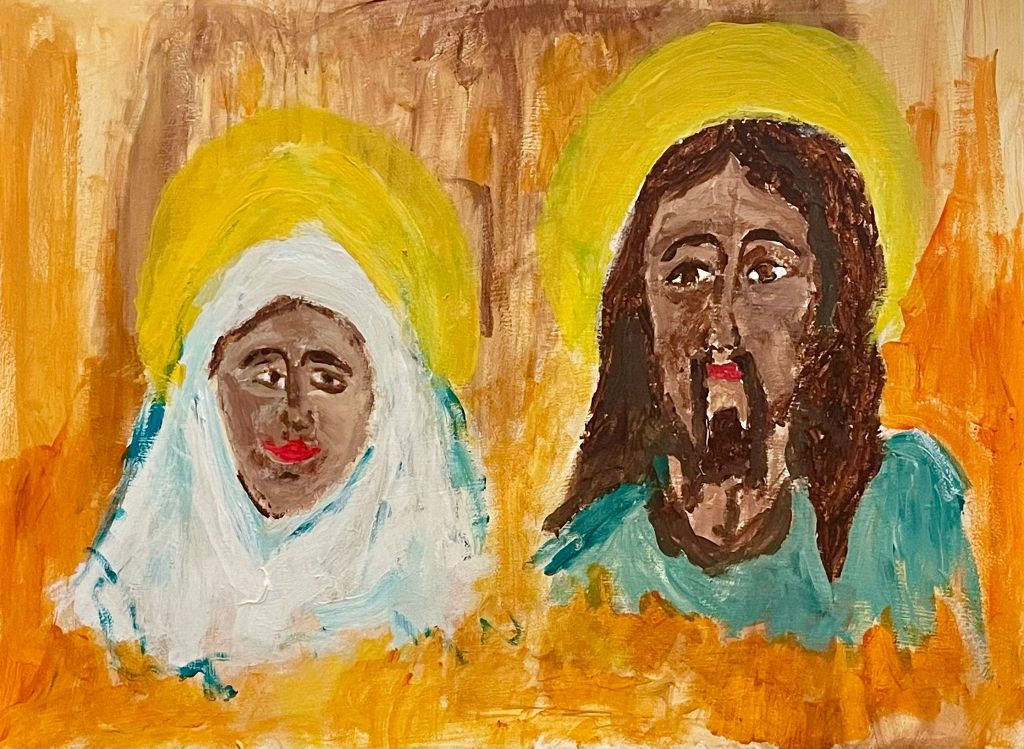
In Pittsburgh, a city of fog, rivers, and ghosts, I write this with the certainty that if I ever return, it will be only through language. This letter is a lighthouse. It does not illuminate final truths, but it searches with insistence. Today, its beam seeks a woman who knew how to speak with God as if she were speaking to silence.
Saint Teresa of Jesus, the Holy Mother, did not preach the impossible. She asked for only three things: fraternal love, detachment from all created things, and true humility. The problem is that such simplicity costs us our entire lives.
We ache. That is our spiritual adolescence. We long for freedom, yet remain trapped in the urgency of being seen, accepted, celebrated. We cling to the self as if it were the last refuge, when it is only the first dead end. Without pretense, Saint Teresa offers us another interior geography. A map with three paths: to love, to let go, and to know ourselves as dust.
To love, but not with the ambiguous language that says “love” while only seeking affection, validation, and safety. To love as the Captain of love—Christ—loves. To love as one who gives, not as one who expects. Teresa wants those who deal with her daughters to “learn their language,” and that language is awakened love: not sentimental, not disguised. Love practiced in the details: in seeing the other, in renouncing the spotlight, in ceasing to be the center.
To love without compensation, without trading affections. To love the less pleasant, the less “attractive.” To love without choosing. Because loving those who are inconvenient to us is what transforms us.
And for that, Teresa says, we must detach. Let go of the world. Not out of disdain, but out of radical trust. To gaze upon Christ poor and dispossessed. To have no security outside of Him. Detachment begins with ourselves. By ceasing to make the body an altar. By stopping the constant rotation around fears, hypochondria, unresolved pasts, and the compulsive desire for control.
We, Teresa says, must even detach from fear. Because fear is a future-shaped lie that enslaves us to what has not yet happened. The Holy Mother knew this from her illness, from her fragility turned into strength. The body aches, but it is not the master. It must not be. Detachment is stepping out of the center and letting God take it.
Teresa did not romanticize suffering. She did not make it her identity. She did not use it as an excuse. She was a sick woman who refused to live orbiting her illness. Instead of making her pain the center, she turned it into a school of freedom. While the modern world turns suffering into emotional capital, Teresa transforms it into fertile soil. She teaches us that the goal is not to deny pain, but to refrain from worshipping it. To not use our sorrows as shields, nor our wounds as banners. Because whoever builds an altar to the self cannot be free.
Let us remember what Teresa says about fear. She, who recovered from everything: from her body, from anguish, from night. She, who always lived at the edge of her physical limits, reminds us with divine clarity that fear is the most sophisticated lie. It is suffering before its time. It is being chained to a harm that may never come. It is fearing death more than a life without meaning. Teresa did not flee her fears: she faced them with faith. And not just any faith. Barefoot faith. Faith that walks even when the legs tremble. Faith that leans on the silent staff that upholds, not on the logic that soothes. “Leave everything to God, come what may,” she says. And in that single phrase lies an entire mysticism of freedom. To swallow fear. Not as a heroic act, but as a humble one. One who abandons themselves in God no longer needs to control.
And if fear is the ego’s cleverest disguise, the need for acceptance is its most constant reflection. We want to be approved, understood, praised. We want to be read, embraced, valued. But this need—human and persistent—ends up enslaving us. Because the one who lives in search of another’s approval never finds themselves. They dissolve. Teresa teaches that it is not wrong to love, but fatal to beg for love. The soul does not grow in the shadow of approval. It grows in the light of truth.
That is why detachment is not only from things: it is from images. From the image we project, the reputation we cultivate, the self we seek to preserve. True freedom begins when we stop fearing what others think of us. Not because we become indifferent, but because, like Teresa, we discover that only God is enough.
And in the end, humility. Not shyness, not inferiority, not disordered poverty. True humility is what places us in truth. No more, no less. The one that seeks neither position, nor honor, nor universal approval. The one that does not hoard grievances as trophies nor makes itself a victim to justify its bitterness.
Humility that knows the best place is not the first, but the invisible. That the one who shines is not greater, but the one who sustains. The one who rejoices in another’s growth. The one who does not explain, does not defend, does not boast.
Perfecto, aquí tienes el desarrollo fuera del bloque, para que lo uses como epílogo o como continuación independiente de esta primera entrega del newsletter:
Humility: the clarity that goes unseen
In Teresa, humility is not a decorative virtue. It is not a way of softening the ego, nor a strategy to appear better. Nor is it submissive invisibility or false modesty. True humility is clarity. It is knowing who you are before God and therefore not needing anyone else to confirm it.
It is not about thinking less of oneself, but thinking less about oneself. The humble person has no need to prove, defend, or justify themselves. They live in truth—the kind of truth that does not need defense because it stands on its own. And because of that, the humble are free. Free to rejoice in the good of others. Free to disappear without drama. Free to love without measure and without gain.
Teresa understood it all: the soul grows when it stops showing itself. The flower of perfection does not bloom on stage. It grows in the silence of one who acts unseen, prays unheard, and serves without leaving a trace. That is the freedom only the humble possess: not to be necessary, but to be real.
In a world that screams itself out loud, Teresa is a whisper that still echoes. Not because of volume, but because of weight.
Would you like this piece to open the next issue of the newsletter, or to close with a prayer inspired by Teresa’s voice?
This is the language Teresa teaches us: love that awakens, poverty that frees, humility that does not announce itself. There is no other language but this. Everything else is noise of the self.
And so, while the world demands likes, Teresa asks for silence.
Let this lighthouse be only that: a trembling but certain light that once again illuminates this language—the one spoken by those who have learned to converse with God without getting lost in their own echo.
Aquí tienes la traducción al inglés de las citas de Santa Teresa de Jesús, lista para ser incluida en la versión bilingüe de tu newsletter El Faro de Alejandría:
🌿 On Fear and Inner Loneliness
“For to fall, I had many friends who would help me; but to rise, I found myself so alone that I now marvel at how I was not always fallen, and I praise the mercy of God, who alone reached out His hand to me.”
— The Book of Her Life
This reflection reveals how Teresa experienced human abandonment, but found in God the strength to rise—overcoming fear and isolation.
🌿 On Suffering and Faith
“I willingly choose all the sufferings in the world for just a little more joy, for a deeper understanding of God’s greatness; for I see that the more one understands, the more one loves and praises Him.”
— The Book of Her Life
Here Teresa shows her willingness to embrace suffering as a path to know and love God more deeply, dismantling the fear of pain.
🌿 On Humility and Truth
“True humility lies in being content with whatever the Lord wants to make of her.”
— The Way of Perfection
Teresa teaches that genuine humility is found in accepting God’s will without resistance—freeing us from the fear of not being accepted or recognized.
🌿 On Prayer and Trust in God
“Let the Lord of the house do what He will. He is wise, He is powerful, He knows what is good for you and what is good for Himself too.”
— The Way of Perfection
This quote invites full trust in God, abandoning the obsession with control and the anxiety over outcomes.
— Israel Centeno
 Centeno's Lighthouse
Leave a comment