The Eternal as Rebellion: Gen Z, Alpha, and the Return to the Sacred
Español
El siglo XXI avanza con una particularidad: la transición generacional se produce bajo el signo de las plataformas digitales. La manera en que los jóvenes se definen, debaten y se agrupan ya no pasa por instituciones tradicionales, sino por redes donde conviven símbolos, discursos y comunidades dispersas. La Generación Z, que hoy tiene entre 13 y 28 años, y la emergente Generación Alpha, que apenas comienza a configurarse como sujeto colectivo, crecen bajo un escenario de saturación informativa, polarización política y crisis de sentido. En contraste, los millennials —quienes dominaron la narrativa cultural desde inicios de los 2000— comienzan a mostrar los límites de su modelo progresista, individualista y materialista. Una de las señales más claras de este agotamiento se refleja en la baja natalidad: los millennials liberales tienden a evitar la formación de familias y a postergar, o incluso renunciar, a tener hijos, mientras que sus pares conservadores han mantenido tasas de natalidad más altas1.
Es en este cruce entre biografía, demografía y cultura digital donde se abre un espacio para pensar si el futuro inmediato no podría estar marcado por un reflujo progresista y una revalorización de los valores tradicionales, entendidos no como una restauración mecánica del pasado, sino como un redescubrimiento de aquellas fuentes de sentido que otorgan estabilidad: la familia, la religión, la comunidad, la trascendencia. Paradójicamente, lo que antes se percibía como ortodoxo o incluso como conformista —ser católico, profesar una fe, buscar en lo eterno un horizonte— comienza a adquirir un aura de rebeldía. Para muchos jóvenes de la Generación Z, asistir a la misa en latín, orar en silencio o proclamar una vida antimaterialista es hoy un gesto contracultural frente a una sociedad entregada a la banalidad del consumo y la aceleración tecnológica. En una época que se pretende emancipadora, el regreso a lo sagrado aparece como la verdadera disidencia.
En Estados Unidos, este contraste se refleja con nitidez. De acuerdo con el U.S. Census Bureau (2024), la tasa de natalidad de los millennials progresistas es un 20% inferior a la de los conservadores de su misma cohorte, con sólo el 30% de los progresistas entre 29 y 44 años teniendo hijos, frente al 50% de los conservadores2. Esta diferencia, aunque pueda parecer pequeña, tiene implicaciones profundas: en la medida en que los progresistas priorizan el estilo de vida individual, son los conservadores quienes están criando a la Generación Alpha. La Generación Z, por su parte, ha sorprendido a analistas al mostrar una inclinación hacia prácticas religiosas que sus padres dieron por superadas. El interés por la misa en latín entre los jóvenes católicos es uno de los ejemplos más llamativos: según Barna Group (2024), un 20% de los católicos de esta generación ha asistido a parroquias tradicionales, frente a apenas un 10% de los millennials en su momento3. No es sólo una preferencia litúrgica: es un modo de afirmar una identidad en un entorno que considera la fe como algo superfluo.
Las plataformas digitales, lejos de ser neutrales, funcionan como vitrinas simbólicas de este pulso. X, con la “X” negra que Elon Musk impuso como logotipo, se ha convertido en un espacio de resistencia frente a la censura y el control algorítmico. En paralelo, Bluesky, con su mariposa azul, es percibido como refugio progresista, aunque con alcance limitado. En YouTube y Spotify proliferan canales y podcasts de corte católico o filosófico —Sensus Fidelium, Pints with Aquinas, Word on Fire— que alcanzan millones de visualizaciones. Y en Substack, escritores de nicho conservador encuentran un hogar para pensar y discutir sin las restricciones de la corrección política. Que lo católico, lo cristiano, lo trascendente aparezca con fuerza en estas plataformas —donde lo banal y lo efímero parecen gobernar— revela que la contracultura de nuestro tiempo no lleva crestas ni consignas, sino sotanas, rosarios y textos antiguos.
En Europa Occidental, el proceso de secularización parece consolidado, con tasas de natalidad en mínimos históricos y religiosidad institucional débil. Sin embargo, emergen resistencias: jóvenes que peregrinan a Chartres, comunidades que redescubren la liturgia tradicional, minorías que, en medio de una sociedad escéptica, se aferran a la fe como una forma de identidad. Su marginalidad, lejos de debilitarlos, les da un brillo de autenticidad. En Polonia y Hungría, la religiosidad ha recuperado un peso político y social inesperado, mientras que en Rusia y Rumanía la Iglesia Ortodoxa se afianza como pilar identitario4.
América Latina, por su parte, mantiene un cristianismo masivo y dinámico, dividido entre catolicismo y evangelismo, pero coincidente en su énfasis en la familia y la comunidad. África, con su demografía desbordante y su religiosidad vibrante, se perfila como el gran protagonista del futuro: allí donde se concentra la vida, la fe no es un residuo del pasado, sino un motor de cohesión5. En Asia, la pluralidad es extrema: Japón y Corea del Sur encarnan la secularización, pero la India, Filipinas y la China rural conservan tradiciones que siguen marcando a millones.
Si se observan en conjunto, estos procesos sugieren un patrón: allí donde el progresismo cultural parece triunfar, también se desgasta en la baja natalidad, en la pérdida de cohesión, en la desorientación existencial. Y allí donde la tradición parecía declinar, resurgen signos de vitalidad: jóvenes que buscan liturgias antiguas, comunidades que se fortalecen en medio de la crisis, religiosidades vibrantes en continentes demográficamente centrales. No se trata de anunciar un destino inevitable, pero sí de reconocer que, en un mundo saturado de promesas de libertad sin arraigo, lo verdaderamente contracultural parece ser volver a lo esencial: la familia, la fe, la trascendencia. Quizá el siglo XXI, lejos de ser la era de la secularización definitiva, sea el tiempo en que el alma humana, cansada del vértigo, se atreva a regresar a lo que nunca dejó de anhelar.
English
The twenty-first century advances with a peculiarity: generational transition takes place under the sign of digital platforms. The ways in which young people define themselves, debate, and gather no longer pass through traditional institutions but through networks where symbols, discourses, and scattered communities coexist. Generation Z, now between 13 and 28 years old, and the emerging Generation Alpha, just beginning to take shape as a collective subject, grow up in a context of information saturation, political polarization, and crisis of meaning. By contrast, millennials—who dominated cultural narratives since the early 2000s—are beginning to reveal the limits of their progressive, individualist, and materialist model. One of the clearest signs of this exhaustion is reflected in low birth rates: liberal millennials tend to avoid family formation and to postpone, or even renounce, having children, while their conservative peers have maintained higher fertility rates1.
It is at this intersection of biography, demography, and digital culture that one can consider whether the near future may be marked by a progressive ebb and a revaluation of traditional values, understood not as a mechanical restoration of the past but as a rediscovery of those sources of meaning that offer stability: family, religion, community, transcendence. Paradoxically, what was once perceived as orthodox or even conformist—being Catholic, professing faith, seeking in the eternal a horizon—now acquires an aura of rebellion. For many young people of Generation Z, attending the Latin Mass, praying in silence, or proclaiming an anti-materialist life is today a countercultural gesture in a society surrendered to the banality of consumption and technological acceleration. In an age that prides itself on emancipation, the return to the sacred appears as the true dissent.
In the United States, this contrast is clear. According to the U.S. Census Bureau (2024), the fertility rate of progressive millennials is 20% lower than that of conservatives in the same cohort, with only 30% of progressives aged 29 to 44 having children, compared to 50% of conservatives2. This difference, though seemingly small, has profound implications: as progressives prioritize individual lifestyles, conservatives are the ones raising Generation Alpha. Generation Z, for its part, has surprised analysts by showing an inclination toward religious practices their parents considered outdated. Interest in the Latin Mass among young Catholics is striking: according to Barna Group (2024), 20% of Catholic Gen Zers have attended traditional parishes, compared to just 10% of millennials at their age3. This is not merely a liturgical preference: it is a way of affirming identity in an environment that treats faith as superfluous.
Digital platforms, far from neutral, serve as symbolic showcases of this cultural pulse. X, with the black “X” imposed by Elon Musk as logo, has become a space of resistance to censorship and algorithmic control. By contrast, Bluesky, with its blue butterfly, is perceived as a progressive refuge, though with limited reach. YouTube and Spotify host countless Catholic or philosophical channels and podcasts—Sensus Fidelium, Pints with Aquinas, Word on Fire—that reach millions. And on Substack, conservative niche writers find a home to think and debate without the constraints of political correctness. That Catholicism, Christianity, and transcendence should appear so strongly in these platforms—where banality and ephemerality seem to reign—reveals that the counterculture of our time wears no mohawks or slogans, but cassocks, rosaries, and ancient texts.
In Western Europe, secularization appears consolidated, with fertility rates at historic lows and institutional religiosity weakened. Yet resistance emerges: young pilgrims walking to Chartres, communities rediscovering traditional liturgy, minorities that, amid skeptical societies, cling to faith as a form of identity. Their marginality, far from weakening them, lends them an aura of authenticity. In Poland and Hungary, religiosity has regained unexpected political and social weight, while in Russia and Romania the Orthodox Church consolidates itself as an identity pillar4.
Latin America, meanwhile, maintains a massive and dynamic Christianity, divided between Catholicism and Evangelicalism but converging in its emphasis on family and community. Africa, with its overflowing demography and vibrant religiosity, stands as the great protagonist of the future: where life abounds, faith is not a residue of the past but a motor of cohesion5. In Asia, plurality is extreme: Japan and South Korea embody radical secularization, while India, the Philippines, and rural China retain traditions that continue to mark millions.
Viewed together, these processes suggest a pattern: where progressive culture seems triumphant, it also suffers wear—low fertility, loss of cohesion, existential disorientation. And where tradition seemed in decline, signs of vitality reappear: young people seeking ancient liturgies, communities strengthening amid crisis, vibrant religiosity in demographically central continents. This is not to proclaim an inevitable return of traditional values, but to recognize that in a world saturated with promises of rootless freedom, the truly countercultural act may be to return to the essential: family, faith, transcendence. Perhaps the twenty-first century, far from being the age of definitive secularization, will be the time when the human soul, weary of vertigo, dares to return to what it never ceased to long for.
Notes
Footnotes
Pew Research Center, “Religion and Family in America,” 2023. ↩↩2
U.S. Census Bureau, Fertility by Demographic Groups, 2024. ↩↩2
No cabe duda: el ser humano comparte con los animales su naturaleza gregaria. Como muchos otros, vive en manada, protege a su grupo, establece jerarquías y sanciona a quienes rompen el orden. Basta observar lobos, elefantes o primates superiores: la manada impone una disciplina que garantiza la supervivencia colectiva. Y cuando alguien desafía esa jerarquía, suele ser castigado por el líder, restableciendo así el equilibrio. Podríamos incluso hablar de “organizaciones tribales” en el reino animal.
Pero en los animales, el castigo termina allí. Nunca aparece, después del acto, el remordimiento. Ningún lobo se atormenta por haber mordido a su rival, ningún león se arrepiente de haber devorado a la cría de una manada enemiga. El remordimiento, esa punzada íntima que pesa sobre la conciencia, no entra en el cálculo de la evolución biológica. Desde el punto de vista de la caza y la supervivencia, el remordimiento es incluso una desventaja: debilita al cazador, lo hace vacilar, lo vuelve menos apto frente al instinto.
Y sin embargo, el hombre siente remordimiento. No sólo por quitar la vida dentro de su grupo, sino también por herir o matar a un extraño, incluso de otra especie. Ninguna ley evolutiva explica este dolor del alma. Es algo más: un signo de interioridad. Edith Stein lo llamó la capacidad de autoposesión y autotrascendencia del espíritu humano1.
Lo mismo ocurre con el heroísmo. En la naturaleza, el más débil queda atrás: la manada sigue adelante, porque detenerse pondría en peligro la supervivencia de todos. Pero el ser humano es el único que se devuelve, arriesga su vida, enfrenta al enemigo y protege al herido. Ese gesto heroico no se explica por el instinto: responde a una ley más alta, inscrita en el corazón.
La rivalidad y la mímesis, que René Girard estudió como núcleo de la condición humana, también se observan en el mundo animal. Los machos compiten por el territorio, por la hembra, por la primacía, y la imitación del deseo genera choques inevitables. Incluso el mecanismo del chivo expiatorio —el sacrificio de un individuo que momentáneamente restaura la paz del grupo— aparece, de manera más elemental, en algunas especies2. Pero en el hombre, estos impulsos toman una forma cualitativamente distinta: se transforman en violencia ritual, en linchamiento colectivo, en sacrificios humanos y divinos.
¿Dónde se rompe este ciclo? Según Girard, sólo en Cristo3. El Hijo de Dios, el inocente sin pecado, acepta ser el chivo expiatorio universal, pero al resucitar revela la falsedad de la violencia sacrificial. En Él, el ciclo de la mímesis y de la rivalidad encuentra su fin: ya no hay víctima que sostenga la paz a costa de la sangre, sino un reino donde “los sordos oyen, los ciegos ven, los cojos caminan y los muertos se levantan” (cf. Mt 11,5). Cristo, que es todo bondad y todo amor, inaugura un camino distinto: la comunión no fundada en el sacrificio de otro, sino en el don de sí mismo para redimir a todos.
El hombre, claro, sigue siendo un animal cruel. Su historia está marcada por violencia, dominio y venganza. Pero a diferencia de otros animales, su alma nunca lo deja en paz. Esa alma —creada a imagen y semejanza de Dios4— lleva en sí misma la bondad y la verdad. Y por eso el hombre vive en conflicto: entre los impulsos de la carne y la voz de su conciencia, entre la brutalidad del instinto y la llamada a la eternidad.
Aristóteles lo intuyó cuando dijo que el hombre es zoón logikón, el animal racional5. Tomás de Aquino lo desarrolló al afirmar que el hombre es capaz de Dios (capax Dei), precisamente porque posee un alma espiritual6. Heidegger, desde otro horizonte, reconoció que somos el ser que se pregunta por el Ser mismo7. Y Charles Taylor, más recientemente, subrayó que el hombre no sólo actúa, sino que se interpreta a sí mismo8.
En todos ellos, desde la filosofía antigua hasta el pensamiento contemporáneo, resuena la misma intuición: lo que nos separa del resto de los animales no es la manada, ni la jerarquía, ni el instinto de supervivencia. Es el alma. Un alma que, al buscar la verdad y el bien, se convierte en el escenario de un conflicto interminable. Y quizá allí, en ese conflicto, resida la verdadera dignidad del hombre y su trascendencia hacia una forma superior de vida que no está limitada por el espacio ni por el tiempo, sino que es eterna porque es plena, como lo prometió Cristo: agua viva que nunca se agota (cf. Jn 4,14).
English
There is no doubt: the human being shares with animals its gregarious nature. Like many others, he lives in a herd, protects his group, establishes hierarchies, and sanctions those who break the order. One only needs to observe wolves, elephants, or higher primates: the herd imposes a discipline that guarantees collective survival. And when someone challenges that hierarchy, he is usually punished by the leader, thus restoring balance. We could even speak of “tribal organizations” in the animal kingdom.
But in animals, punishment ends there. Remorse never appears after the act. No wolf torments itself for biting a rival, no lion regrets devouring the offspring of an enemy herd. Remorse, that intimate pang weighing on conscience, does not enter into the calculation of biological evolution. From the perspective of hunting and survival, remorse is even a disadvantage: it weakens the hunter, makes him hesitate, renders him less fit against instinct.
And yet, man feels remorse. Not only for taking life within his group, but also for harming or killing a stranger, even of another species. No evolutionary law explains this pain of the soul. It is something more: a sign of interiority. Edith Stein called it the capacity for self-possession and self-transcendence of the human spirit1.
The same is true of heroism. In nature, the weakest are left behind: the herd moves on, for to stop would endanger the survival of all. But the human being is the only one who turns back, risks his life, confronts the enemy, and protects the wounded. That heroic gesture cannot be explained by instinct: it responds to a higher law inscribed in the heart.
Rivalry and mimesis, which René Girard studied as central to the human condition, are also observed in the animal world. Males compete for territory, for the female, for primacy, and the imitation of desire generates inevitable clashes. Even the scapegoat mechanism—the sacrifice of an individual that momentarily restores the peace of the group—appears, in a more elementary form, in some species2. But in man, these impulses take a qualitatively different form: they become ritual violence, collective lynching, human and divine sacrifices.
Where is this cycle broken? According to Girard, only in Christ3. The Son of God, the innocent without sin, accepts being the universal scapegoat, but in rising again reveals the falsehood of sacrificial violence. In Him, the cycle of mimesis and rivalry meets its end: there is no longer a victim to sustain peace through blood, but a kingdom where “the deaf hear, the blind see, the lame walk, and the dead are raised” (cf. Mt 11:5). Christ, who is all goodness and all love, inaugurates a different way: communion not founded on the sacrifice of another, but on the gift of Himself to redeem all.
Man, of course, remains a cruel animal. His history is marked by violence, domination, and vengeance. But unlike other animals, his soul never leaves him in peace. That soul—created in the image and likeness of God4—carries within itself both goodness and truth. And that is why man lives in conflict: between the impulses of the flesh and the voice of his conscience, between the brutality of instinct and the call to eternity.
Aristotle intuited it when he said that man is zoón logikón, the rational animal5. Thomas Aquinas developed it by affirming that man is capable of God (capax Dei), precisely because he possesses a spiritual soul6. Heidegger, from another horizon, recognized that we are the being who asks about Being itself7. And Charles Taylor, more recently, underlined that man not only acts, but interprets himself8.
In all of them, from ancient philosophy to contemporary thought, the same intuition resounds: what separates us from the rest of the animals is not the herd, nor hierarchy, nor the instinct for survival. It is the soul. A soul that, in seeking truth and goodness, becomes the stage of an unending conflict. And perhaps there, in that conflict, lies the true dignity of man and his transcendence toward a higher form of life that is not bound by space or time, but is eternal because it is full, as Christ promised: living water that never runs dry (cf. Jn 4:14).
Notes
Footnotes
Edith Stein, Endliches und ewiges Sein (Ser finito y ser eterno / Finite and Eternal Being), 1936. ↩↩2
René Girard, La violencia y lo sagrado (Violence and the Sacred), 1972. ↩↩2
René Girard, Yo veía a Satanás caer como el relámpago (I Saw Satan Fall Like Lightning), 1999. ↩↩2
A Elisa, como una invitación a leer las Escrituras desde su centro.
La Escritura no es una colección dispersa de relatos antiguos ni un archivo de sabiduría arcaica, sino una historia unificada: la historia de la salvación. El Antiguo Testamento prepara, el Nuevo Testamento cumple. Pero la clave hermenéutica que da sentido a todo es Cristo. Sólo a través de Él podemos comprender la creación, la Ley, los profetas y la esperanza de Israel.
Jesús mismo lo revela en el camino de Emaús: “Y comenzando por Moisés y por todos los profetas, les explicó lo que se decía de Él en todas las Escrituras” (Lc 24,27). Todo el Antiguo Testamento es anuncio, sombra y figura; en Cristo se convierte en realidad. Los estudiosos de la Biblia han mostrado con abundancia esta unidad: cientos de referencias cruzadas vinculan los dos Testamentos, y todas convergen en el misterio de Cristo. Cada promesa, cada figura, cada profecía se cumple en Él.
En el Génesis, el hombre aparece creado a imagen y semejanza de Dios, imagen herida por el pecado pero no borrada. La historia entera de Israel es la historia de una alianza: un Dios que llama y un pueblo que responde, unas veces con fidelidad y otras con infidelidad. El propósito original era caminar en comunión con Dios, pero esa comunión alcanza su plenitud sólo en Cristo, el Hijo amado, que revela que nuestro destino no es simplemente obedecer una ley, sino llegar a ser hijos en el Hijo: “A todos los que lo recibieron les dio poder de ser hijos de Dios” (Jn 1,12).
La Ley fue dada como guía, como pedagogo, pero por sí sola no podía dar vida. Cristo, en el evangelio de Juan, abre el horizonte definitivo: “Yo he venido para que tengan vida, y la tengan en abundancia” (Jn 10,10). La verdadera vida no se mide en años ni en posesiones, sino en la comunión con el Padre por medio del Hijo. La existencia humana queda transfigurada: ya no es mera supervivencia ni búsqueda de glorias pasajeras, sino vocación a la eternidad, permaneciendo en Cristo como el sarmiento en la vid.
Israel fue el pueblo elegido, portador de las promesas; en Cristo esas promesas se abren a todas las naciones. La Iglesia nace de su costado traspasado, como la nueva Eva del nuevo Adán. Allí se proclama la Palabra, los sacramentos comunican la vida divina, y la caridad hace visible al Dios que es Amor. La Iglesia no es un añadido a la revelación, sino la forma histórica en la que el misterio de Cristo se prolonga y se comparte.
El Antiguo Testamento, leído a esta luz, incluye también la voz de los Salmos, donde Cristo mismo ora con las palabras de su pueblo. En la cruz hace suyo el grito del Salmo 22: “Dios mío, Dios mío, ¿por qué me has abandonado?”. Lo que en el Salterio era súplica y promesa, en Él se convierte en cumplimiento. La Iglesia reza los Salmos no como piezas del pasado, sino como oración viva de Cristo que asume la voz de todos.
En los libros de Jueces, Samuel y Reyes se percibe la sed de liberación y de un reino. Los jueces levantados por Dios dan respiro, pero sus victorias son parciales y pasajeras; sólo en Cristo aparece el juez definitivo cuya justicia no falla. En los Reyes vemos la expectativa de un reino: Saúl, David, Salomón… hombres grandes, pero frágiles, que no cumplieron las promesas. Su fracaso apunta al verdadero Rey, el Hijo de David, que reinará para siempre no con la espada ni con riquezas, sino con la entrega de su vida. Los evangelios presentan a Jesús como ese Mesías esperado, que inaugura un reino que no es de este mundo.
En el Deuteronomio, Moisés anuncia que Dios suscitará un profeta como él. Los evangelios muestran que esa profecía se cumple en Cristo, el nuevo Moisés que entrega la Ley definitiva, no escrita en piedra sino en los corazones. Allí donde Moisés intercedió y renovó la alianza, Cristo sella con su propia sangre una alianza eterna. La obediencia que el Deuteronomio pedía para alcanzar la bendición encuentra en Cristo su plenitud: Él cumple la Ley y en Él la maldición del pecado queda rota.
El Evangelio revela a Dios, que ya se había manifestado en el Antiguo Testamento, pero ahora de manera concreta y definitiva. En Cristo, ese Dios que antes hablaba en promesas y figuras se muestra con rostro humano, con una voz que llama por nuestro nombre, con una vida derramada en amor. Él mismo dice: “Yo soy el camino, la verdad y la vida; nadie va al Padre sino por mí” (Jn 14,6). Y también: “El Padre y yo somos uno” (Jn 10,30), “Yo estoy en el Padre y el Padre en mí” (Jn 14,10), mostrando la íntima comunión a la que somos invitados. Él no sólo anuncia, sino que señala con claridad hacia dónde debemos ir: es la luz que vence a las tinieblas, la verdad que nos libera, la vida que no acaba. Y nos entrega la clave de esa comunión que anticipa la eternidad: “El que coma de este pan vivirá para siempre” (Jn 6,51). En la Eucaristía nos deja la prenda de la vida eterna, el anticipo de la gloria, la certeza de que en Él todo se cumple.
Después vienen las cartas apostólicas, especialmente las de Pablo, que amplían aún más el horizonte. En la primera carta a los Corintios, Pablo habla del misterio del cuerpo resucitado: “Se siembra en corrupción, resucita en incorrupción; se siembra en ignominia, resucita en gloria; se siembra en debilidad, resucita en poder; se siembra un cuerpo natural, resucita un cuerpo espiritual” (1 Co 15,42-44). El Apóstol recuerda que lo que ahora vemos es apenas semilla de lo que será plenitud. También habla del “tercer cielo”, de lo que “nadie vio ni oyó, ni vino a la mente del hombre” (2 Co 12,2-4; 1 Co 2,9), mostrando que la gloria futura supera toda imaginación. Pero Pablo no limita todo al futuro: afirma que ya ahora estamos llamados a dejar que “Cristo viva en nosotros” (Ga 2,20), de modo que en la debilidad se manifieste la fuerza de Dios, porque “cuando soy débil, entonces soy fuerte” (2 Co 12,10).
Pablo transmite además lo que se considera el primer credo cristiano, también en su primera carta a los Corintios: “Que Cristo murió por nuestros pecados, según las Escrituras; que fue sepultado y que resucitó al tercer día, según las Escrituras; y que se apareció a Cefas y luego a los Doce” (1 Co 15,3-5). Aquí se condensa el núcleo de la fe: la muerte y resurrección de Cristo como centro y sentido de la historia. Y en ese mismo espíritu Pablo compone su himno al amor: “El amor es paciente, es bondadoso… todo lo cree, todo lo espera, todo lo soporta. El amor no pasa nunca” (1 Co 13,4-8). Así confirma la gran revelación de Juan: “Dios es amor” (1 Jn 4,8). Lo que Cristo revela con su vida y entrega, los apóstoles lo proclaman como esencia misma de Dios y camino del hombre.
Finalmente, el Apocalipsis abre la visión del cumplimiento último: Cristo es el Alfa y la Omega, el principio y el fin, el que era, el que es y el que ha de venir (Ap 1,8). En Él se cierra el arco de la revelación, y en Él la humanidad alcanza su destino definitivo: la comunión plena con Dios en el cielo nuevo y la tierra nueva, donde no habrá más llanto ni muerte, porque todo habrá sido hecho nuevo.
Christ-Centered Reading of Scripture
To Elisa, as an invitation to read Scripture from its center.
Scripture is not a scattered collection of ancient stories or an archive of archaic wisdom, but a unified history: the history of salvation. The Old Testament prepares, the New Testament fulfills. But the hermeneutical key that gives meaning to it all is Christ. Only through Him can we understand creation, the law, the prophets, and the hope of Israel.
Jesus Himself reveals this on the road to Emmaus: “Beginning with Moses and all the Prophets, He explained to them what was said in all the Scriptures concerning Himself” (Lk 24:27). The entire Old Testament is announcement, shadow, and figure; in Christ it becomes reality. Biblical scholars have shown just how profound this unity is: hundreds of cross-references link the two Testaments, and all converge on the mystery of Christ. Every promise, every figure, every prophecy is fulfilled in Him.
In Genesis, man appears created in the image and likeness of God, an image wounded by sin but not erased. The entire history of Israel is the story of a covenant: a God who calls, and a people who respond, sometimes in fidelity, other times in infidelity. The original purpose was to walk in communion with God, but that communion reaches its fullness only in Christ, the beloved Son, who reveals that our destiny is not merely to obey a law, but to become children in the Son: “To all who received Him, He gave the power to become children of God” (Jn 1:12).
The Law was given as a guide, as a pedagogue, but on its own it could not give life. Christ, in the Gospel of John, opens the definitive horizon: “I came that they may have life, and have it abundantly” (Jn 10:10). True life is not measured in years or possessions, but in communion with the Father through the Son. Human existence is transfigured: no longer mere survival or pursuit of fleeting glory, but a vocation to eternity, abiding in Christ like the branch in the vine.
Israel was the chosen people, bearer of the promises; in Christ those promises are opened to all nations. The Church is born from His pierced side, as the new Eve from the new Adam. There the Word is proclaimed, the sacraments communicate divine life, and charity makes visible the God who is Love. The Church is not an addition to revelation, but the historical form in which the mystery of Christ is prolonged and shared.
The Old Testament, read in this light, also includes the voice of the Psalms, where Christ Himself prays in the words of His people. On the cross He makes His own the cry of Psalm 22: “My God, my God, why have you forsaken me?” What was once supplication and promise becomes fulfillment in Him. The Church prays the Psalms not as relics of the past but as the living prayer of Christ who gives voice to all.
In the books of Judges, Samuel, and Kings we see Israel’s yearning for deliverance and for a king. The judges rise and fall, delivering their people only temporarily; in Christ appears the final Judge, whose justice never fails. Saul, David, and Solomon show both greatness and failure, pointing beyond themselves to the true King, the Son of David, whose reign is not of this world. Jesus is proclaimed as that Messiah, inaugurating a kingdom of life, justice, and peace that no sword can overthrow.
In Deuteronomy, Moses promises that God will raise up a prophet like him. The Gospels present Jesus as the fulfillment of that prophecy, the new Moses who delivers the definitive Law—not on tablets of stone, but written on hearts. Where Moses interceded for the people and renewed the covenant, Christ offers His own blood as the seal of an eternal covenant. The blessings and curses that marked the old covenant find their fulfillment in Him: He fulfills the Law, and in Him the curse of sin is broken forever.
The Gospel reveals God, who had already manifested Himself in the Old Testament, but now in a concrete and definitive way. In Christ, that God who once spoke in promises and figures now shows Himself with a human face, with a voice that calls us by name, with a life poured out in love. He Himself says: “I am the way, the truth, and the life; no one comes to the Father except through me” (Jn 14:6). And He also declares: “The Father and I are one” (Jn 10:30), “I am in the Father and the Father is in me” (Jn 14:10), showing the intimate communion into which we are invited. He is not only the One who announces, but the One who clearly points out where we must go: He is the light that conquers darkness, the truth that sets us free, and the life that never ends. And He gives us the key to that communion which anticipates eternity: “Whoever eats this bread will live forever” (Jn 6:51). In the Eucharist He leaves us the pledge of eternal life, the foretaste of glory, the certainty that in Him every purpose is fulfilled.
Then come the apostolic letters, especially those of Paul, which open the horizon even further. In his first letter to the Corinthians, he speaks of the mystery of the resurrected body: “It is sown in corruption, it is raised in incorruption; it is sown in dishonor, it is raised in glory; it is sown in weakness, it is raised in power; it is sown a natural body, it is raised a spiritual body” (1 Cor 15:42–44). Here the Apostle reminds us that what we see now is only the seed of what will be fullness. He also speaks of the “third heaven,” of that which “no eye has seen, no ear has heard, nor has it entered into the human heart” (2 Cor 12:2–4; 1 Cor 2:9), indicating that future glory surpasses all imagination. Yet Paul does not limit himself to the future: he affirms that even now we are called to let “Christ live in us” (Gal 2:20), so that in our weakness the power of God may be revealed, for “when I am weak, then I am strong” (2 Cor 12:10).
Paul also hands on what is considered the first Christian creed, again in his first letter to the Corinthians: “That Christ died for our sins according to the Scriptures, that He was buried, that He was raised on the third day according to the Scriptures, and that He appeared to Cephas, and then to the Twelve” (1 Cor 15:3–5). Here the core of faith is condensed: the death and resurrection of Christ as the center and meaning of history. And in that same spirit Paul writes his hymn to love: “Love is patient, love is kind… it bears all things, believes all things, hopes all things, endures all things. Love never fails” (1 Cor 13:4–8). Thus he confirms the great revelation of John: “God is love” (1 Jn 4:8). What Christ reveals with His life and His self-giving, the apostles proclaim as the very essence of God and the path of man.
Finally, the Book of Revelation opens the vision of ultimate fulfillment: Christ is the Alpha and the Omega, the beginning and the end, the One who was, who is, and who is to come (Rev 1:8). In Him the arc of revelation is completed, and in Him humanity finds its ultimate destiny: full communion with God in the new heaven and the new earth, where every tear will be wiped away and death will have no power.
Nunca dijo que la Iglesia estaría libre del mal en cada uno de sus pasos, solo que el mal se alzaría… y que, al final, no prevalecería».*
Mitos sobre la Iglesia Católica: Entre la leyenda negra y la historia
Israel Centeno
Introducción
Pocas instituciones han sido objeto de tantas críticas, caricaturas y leyendas como la Iglesia Católica. Su peso en la historia de Occidente la convirtió en blanco de propaganda anticlerical durante el Renacimiento, la Reforma y la Ilustración, y más tarde del laicismo moderno. Por supuesto, la Iglesia ha cometido errores y pecados graves: nadie puede negarlos sin caer en una apologética ciega. Pero tampoco puede reducirse una institución de dos milenios a clichés de panfleto. La llamada leyenda negra —alimentada por los rivales de España, por el anticatolicismo protestante y por la propaganda ilustrada— ha fijado en la memoria popular imágenes que muchas veces no resisten el contraste con la historia real.
Este ensayo revisa algunos de los principales mitos: las Cruzadas, la Inquisición, Galileo, la acusación de idolatría, los papas corruptos, el Opus Dei, la pederastia, el Banco Ambrosiano, la supuesta oposición a la ciencia, la evangelización en América, la esclavitud y otros episodios. La intención no es justificar ni encubrir, sino separar la sombra de la caricatura y reconocer la luz donde se ha querido ocultar.
Las Cruzadas: entre defensa y mito
Mito: Las Cruzadas fueron guerras de fanáticos religiosos que invadieron tierras ajenas y asesinaron inocentes en nombre de la fe.
Realidad: Las Cruzadas surgen como respuesta a siglos de expansión islámica sobre territorios cristianos y a las amenazas contra los peregrinos en Tierra Santa. No fueron una “invasión sin causa”, sino un intento —imperfecto y cargado de intereses políticos— de recuperar los lugares santos y defender a los fieles orientales. Hubo excesos y episodios vergonzosos, como el saqueo de Constantinopla en la Cuarta Cruzada, pero reducir todo el movimiento a barbarie fanática es una simplificación nacida de la propaganda ilustrada y laicista.
Paradójicamente, mientras se exagera la violencia de las Cruzadas, se silencian episodios mucho más sangrientos ocurridos en países protestantes o laicos. En territorios calvinistas —Suiza, Escocia, Países Bajos, regiones de Alemania— las cacerías de brujas cobraron decenas de miles de vidas. Solo en el Sacro Imperio Germánico se calcula que unas 15.000 mujeres fueron ejecutadas por supuesta brujería. Inglaterra, tras la Reforma, vivió oleadas similares de persecución. Y en Francia, bajo el Terror revolucionario, la guillotina acabó con más vidas en unos pocos años que la Inquisición en siglos.
Así, el mito de las Cruzadas como “máxima expresión del fanatismo católico” oculta el contexto histórico que las originó e ignora violencias aún mayores desatadas en otras latitudes. La historia exige matices: ni glorificación ingenua ni caricatura propagandística.
La Inquisición: mito y propaganda
Lejos del mito popular, la Inquisición española no fue una orgía sangrienta que devoró millones de inocentes. La investigación histórica más seria muestra que, en tres siglos de actividad, las ejecuciones estuvieron entre tres y cinco mil: una cifra muy inferior a la “leyenda negra” difundida por los enemigos de la monarquía hispana. Y si se compara, el contraste es abrumador: en la Inglaterra de la Reforma, las cacerías de brujas se cobraron decenas de miles de vidas; en la Francia revolucionaria, la guillotina del Terror despachó a más de 16.000 personas en pocos años; y las revoluciones modernas, herederas de ese espíritu, multiplicaron el baño de sangre en nombre de la libertad y la igualdad.
En la propia España, no eran pocos los que preferían caer en manos de la Inquisición antes que en las cárceles del rey. El tribunal eclesiástico, con todos sus defectos, era más garantista que los procesos civiles: ofrecía defensa, abogados y apelaciones. La leyenda negra que se levantó contra el Santo Oficio se alimentó de la imprenta, nacida en países enemigos políticos y religiosos de España. Panfletos, grabados y libelos circularon por Europa mostrando supuestos tormentos que en realidad correspondían a prácticas seculares del norte, pero que se atribuían al tribunal español para desacreditarlo. Así se forjó una imagen monstruosa más de propaganda que de archivo.
Galileo y la ciencia
Otro mito recurrente acusa a la Iglesia de enemiga de la ciencia, de haber perseguido a Galileo por defender la verdad. La realidad es más matizada. Galileo era católico, amigo de cardenales, protegido por el papa Urbano VIII, y trabajaba en una institución que ya apoyaba la astronomía copernicana. El conflicto fue más político y personal que científico: Galileo insistió en presentar su modelo como verdad absoluta cuando aún no había pruebas concluyentes, y ridiculizó a su propio protector en un diálogo publicado. Fue condenado por desobediencia, no por hacer ciencia.
Esto no exonera a la Iglesia de su error, pero muestra que no se trató de una persecución sistemática contra el conocimiento. Prueba de ello es que la Iglesia fundó universidades, observatorios y academias científicas. Y hoy, lejos del mito, no existe un dogma “antievolucionista”: desde Pío XII hasta Juan Pablo II y Francisco, la teoría de la evolución se reconoce como compatible con la fe, siempre que se afirme que el alma humana es don divino.
Acusación de idolatría
Se acusa a los católicos de ser “idólatras”, adoradores de imágenes. La teología distingue entre latría (adoración solo a Dios), dulía (veneración a los santos) e hiperdulía (a la Virgen María). Las imágenes no son dioses, sino medios pedagógicos y devocionales. Ya el Antiguo Testamento contenía signos materiales: los querubines del Arca, la serpiente de bronce en el desierto. La iconoclasia protestante redujo esa riqueza simbólica a un rechazo absoluto, confundiendo símbolo con ídolo.
Papas corruptos y corrupción institucional
Es cierto que hubo papas corruptos: el “siglo oscuro” del X o los Borgia en el Renacimiento son ejemplos vergonzosos. Pero estos casos fueron excepcionales dentro de 266 pontífices que incluyen mártires, santos y reformadores. Lo sorprendente no es que haya habido papas corruptos, sino que, a pesar de ellos, la doctrina se haya mantenido intacta: el depósito de la fe sobrevivió a sus peores guardianes, cumpliéndose la promesa de Cristo.
Del mismo modo, instituciones eclesiales se corrompieron en épocas concretas, pero siempre surgieron santos y reformadores: Francisco de Asís, Teresa de Ávila, Catalina de Siena. La corrupción existe, pero también la santidad que florece en la misma Iglesia.
Escándalos modernos: pederastia y Banco Ambrosiano
Sería falso negar que la Iglesia ha vivido escándalos terribles. Los abusos sexuales cometidos por clérigos y las omisiones en su manejo son una herida abierta. Por décadas primó una cultura de silencio que pretendía proteger la institución a costa de las víctimas. Hoy la Iglesia reconoce ese pecado y ha adoptado políticas de tolerancia cero, ha expulsado sacerdotes culpables, creado protocolos de prevención y colaborado con la justicia. No es una batalla ganada, pero es un camino asumido.
En lo financiero, el caso del Banco Ambrosiano mostró la vulnerabilidad del Vaticano cuando se mezcla con intereses de poder y dinero. Fue un escándalo que impulsó reformas de transparencia, auditorías y control, aunque la mancha histórica quedó.
Estos pecados no son mitos, sino realidades dolorosas. Pero es falso hacer de ellos la esencia de la Iglesia. Ella misma ha demostrado capacidad de autocrítica y reforma, sin abandonar su misión espiritual.
El mito del Opus Dei
El Opus Dei ha sido presentado como “la mano siniestra” de la Iglesia: conspirativa, elitista, manipuladora. La realidad es más compleja. Hay exmiembros que denuncian abusos y secretismo, pero también fieles que lo viven como vocación seria de santificación en la vida ordinaria. Periodistas como John Allen Jr. han mostrado que gran parte de su mala fama proviene del sensacionalismo o de novelas como El Código Da Vinci. No es una secta fuera de control, sino una prelatura personal aprobada por la Iglesia, con luces y sombras como cualquier otra institución.
Evangelización en América
Se dice que la evangelización fue solo imposición y destrucción cultural. Pero junto a abusos reales, hubo una corriente de defensa y respeto. Antonio de Montesinos denunció la esclavitud en 1511; Bartolomé de las Casas dedicó su vida a los indígenas; Francisco de Vitoria elaboró el derecho de gentes reconociendo su dignidad.
Lejos de destruir lenguas, los misioneros escribieron gramáticas y catecismos en náhuatl, quechua, guaraní. La primera imprenta del continente imprimió en lenguas nativas. Las reducciones jesuíticas de Paraguay fueron comunidades autónomas donde el guaraní fue lengua oficial y florecieron la música y el arte. Hubo imposición, sí, pero también defensa, diálogo y protección.
La Iglesia y la esclavitud
Se afirma que la Iglesia apoyó la esclavitud desde el inicio. Pero ya a finales del siglo XV, el cardenal Cisneros aconsejó a los Reyes Católicos no permitirla. En 1537, Paulo III declaró en Sublimis Deus que los indios “son verdaderamente hombres” y no podían ser esclavizados. Los dominicos, jesuitas y teólogos de Salamanca denunciaron la esclavitud como contraria al derecho natural.
Al no hallar justificación en el Evangelio, los colonizadores recurrieron a Aristóteles y su noción de “esclavos por naturaleza” para legitimar lo injustificable. El Evangelio no sostiene la esclavitud; proclama la dignidad de todo ser humano.
Es cierto que hubo contradicciones: silencio frente a la esclavitud africana, clérigos cómplices, aplicación débil de principios. Pero las primeras críticas sistemáticas a la esclavitud en la era moderna surgieron precisamente desde dentro de la Iglesia.
Conclusión
La Iglesia Católica tiene sombras reales: papas corruptos, silencios vergonzosos, abusos criminales. Pero también ha sido víctima de caricaturas propagandísticas que exageran o deforman episodios. Cruzadas, Inquisición, Galileo, evangelización, esclavitud: ninguno puede entenderse sin contexto histórico y sin reconocer la ambivalencia humana que atraviesa toda institución.
El Evangelio no justifica la esclavitud, la fe católica no prescribe idolatría, y la ciencia nunca fue sistemáticamente perseguida por la Iglesia. Los mitos sobreviven porque simplifican. La verdad, en cambio, exige reconocer lo complejo: la Iglesia es santa en su origen, pero pecadora en sus miembros. Su historia no es relato de perfección, sino de gracia que actúa en medio del barro.
*“Jesus said: the evil one shall not prevail.
He never said the Church would be free of evil at every step, only that evil would rise —and yet would not prevail.”*
Myths about the Catholic Church: Between the Black Legend and History
Introduction
Few institutions have been the target of so many criticisms, caricatures, and legends as the Catholic Church. Its weight in the history of the West made it the focus of anticlerical propaganda during the Renaissance, the Reformation, and the Enlightenment, and later of modern secularism. Of course, the Church has committed grave errors and sins—no one can deny them without falling into blind apologetics. But neither can an institution of two millennia be reduced to pamphlet clichés. The so-called Black Legend—fueled by Spain’s rivals, Protestant anti-Catholicism, and Enlightenment propaganda—has fixed in popular memory images that often do not withstand historical scrutiny.
This essay revisits some of the main myths: the Crusades, the Inquisition, Galileo, the accusation of idolatry, corrupt popes, Opus Dei, clerical abuse, the Banco Ambrosiano, the supposed opposition to science, forced evangelization in the Americas, slavery, and other episodes. The aim is not to justify or conceal, but to separate shadow from caricature, and to acknowledge the light where it has been deliberately obscured.
The Crusades: between defense and myth
Myth: The Crusades were nothing more than wars of fanatic religious zealots invading foreign lands and killing innocents in the name of faith.
Reality: The Crusades arose as a response to centuries of Islamic expansion into Christian territories and to threats against pilgrims in the Holy Land. They were not an “unprovoked invasion,” but an attempt—imperfect and laden with political interests—to recover holy places and defend Eastern Christians. There were excesses and shameful episodes, such as the sack of Constantinople in the Fourth Crusade, but reducing the entire movement to fanatical barbarism is a simplification born of later Enlightenment and secular propaganda.
Paradoxically, while the violence of the Crusades is exaggerated, far bloodier episodes in Protestant or secular countries are often ignored. In Calvinist strongholds—Switzerland, Scotland, the Netherlands, and parts of Germany—the witch hunts claimed tens of thousands of lives. In the Holy Roman Empire alone, around 15,000 women were executed for alleged witchcraft. England, after the Reformation, witnessed similar waves of persecution. And in France, during the secular Terror, the guillotine executed more lives in a few short years than the Inquisition did in centuries.
Thus, the myth of the Crusades as the “supreme expression of Catholic fanaticism” hides the historical context that gave rise to them and ignores even greater violence unleashed elsewhere. History demands nuance: neither naïve glorification nor propagandistic caricature.
The Inquisition: myth and propaganda
Far from the popular myth, the Spanish Inquisition was not a bloodthirsty machine devouring millions of innocents. Serious historical research shows that, in three centuries of activity, executions numbered between three and five thousand—a figure vastly lower than the “Black Legend” spread by Spain’s political enemies. Compared to other contexts, the contrast is striking: in Reformation England, witch hunts took tens of thousands of lives; in revolutionary France, the secular guillotine of the Terror dispatched more than 16,000 people in just a few years; and modern revolutions, heirs of that spirit, multiplied the bloodshed in the name of liberty and equality.
In Spain itself, many preferred to fall into the hands of the Inquisition rather than the king’s prisons. The ecclesiastical tribunal, with all its flaws, offered more guarantees than civil courts: defense, lawyers, appeals. The “Black Legend” against the Holy Office fed on the printing press, born in countries that were both political and religious enemies of Spain. Pamphlets, engravings, and libels circulated across Europe depicting supposed torments that in fact belonged to secular practices in the north, but were attributed to the Spanish tribunal to discredit it. Thus was forged a monstrous image owed more to propaganda than to the inquisitorial archives.
Galileo and science
Another recurring myth accuses the Church of being an enemy of science, persecuting Galileo for defending the truth. The reality is more nuanced. Galileo was Catholic, friend of cardinals, protected by Pope Urban VIII, and worked within an institution that already supported Copernican mathematical astronomy. The conflict was more political and personal than scientific: Galileo insisted on presenting his model as absolute truth when conclusive evidence was not yet available, and he ridiculed his own protector in a published dialogue. He was condemned for disobedience, not for doing science.
This does not exonerate the Church’s mistake, but it shows there was no systematic persecution of knowledge. Proof lies in the fact that the Church founded universities, observatories, and scientific academies. Today, far from the myth, there is no “anti-evolutionist” dogma: from Pius XII to John Paul II to Francis, evolution has been recognized as scientifically valid and compatible with faith, provided the human soul is affirmed as a divine gift.
The charge of idolatry
Catholics are often accused of “idolatry,” of worshiping images and statues. Catholic theology distinguishes clearly between latria (adoration of God alone), dulia (veneration of saints), and hyperdulia (the Virgin Mary). Images are pedagogical and devotional means, not gods. Even in the Old Testament, material symbols appear: the Ark of the Covenant adorned with cherubim, the bronze serpent in the desert. Protestant iconoclasm simplified this symbolic richness into absolute rejection, confusing symbol with idol.
Corrupt popes and institutional corruption
It is true there have been corrupt popes: the 10th century “Dark Age,” or the Borgia papacy in the Renaissance, present scandalous figures of worldliness. But these cases, though real, are exceptions within a history of 266 popes that includes martyrs, saints, and reformers. What is surprising is not that there were corrupt popes, but that despite them doctrine remained intact: the deposit of faith survived its worst guardians, fulfilling Christ’s promise.
Likewise, ecclesial institutions have been corrupted at various times, but movements of reform always arose from within: Francis of Assisi, Teresa of Ávila, Catherine of Siena. Corruption is real, but so too is the holiness that flourishes inside the same Church.
Modern scandals: clerical abuse and the Banco Ambrosiano
It would be false to deny that the Church has endured terrible scandals in recent times. Sexual abuse by clergy and omissions in handling it remain an open wound. For decades a culture of cover-up prevailed, thought to protect the institution at the cost of victims. Today the Church acknowledges this sin and has advanced toward zero-tolerance policies, laicization of guilty clerics, prevention protocols, and collaboration with civil justice. It is not a battle won, but a path assumed.
Financially, the Banco Ambrosiano case revealed the Vatican’s vulnerability when mingled with power and money. The scandal prompted reforms in transparency, auditing, and control, though the historical stain remains.
These sins are not “myths”: they are painful realities. But it is false to make them the Church’s essence. She has shown herself capable of self-criticism and reform, without abandoning her spiritual mission.
The myth of Opus Dei
Opus Dei has been depicted as the Church’s “sinister hand”: conspiratorial, elitist, manipulative. The reality is more complex. There are testimonies from ex-members denouncing abusive practices, aggressive recruitment, or secrecy, but there are also faithful who live it as a serious vocation of sanctification in ordinary life. Journalists like John Allen Jr. have shown that much of its bad reputation comes from sensationalism or novels like The Da Vinci Code. Opus Dei is not a rogue sect but a personal prelature approved by the Church, with lights and shadows like any other institution.
Forced evangelization in the Americas
It is often said that evangelization of native peoples was nothing but imposition and cultural destruction. History shows another side: alongside real abuses, there was a strong current of defense and respect. Fray Antonio de Montesinos denounced slavery in 1511; Bartolomé de las Casas devoted his life to indigenous causes; Francisco de Vitoria elaborated the law of nations recognizing their dignity.
Far from destroying languages, missionaries wrote grammars and catechisms in Nahuatl, Quechua, and Guaraní. The first printing press in the Americas produced books in native tongues. Jesuit reductions in Paraguay were experiments in autonomous communities where Guaraní was the official language and music and arts flourished. There was imposition, yes, but there was also defense, dialogue, and protection.
The Church and slavery
Another myth says the Church supported slavery from the start. In truth, as early as the 15th century, Cardinal Cisneros advised the Catholic Monarchs not to permit it. In 1537, Pope Paul III, in Sublimis Deus, declared that the Indians “are truly men” and could not be enslaved. Dominicans, Jesuits, and Salamanca theologians denounced slavery as contrary to natural law.
Colonial powers, unable to find justification in the Gospels, turned instead to Aristotle and his idea of “natural slaves” to legitimize the unjustifiable. The Gospel offers no support for slavery; rather, it proclaims the dignity of every human being.
Contradictions did exist: silence regarding African slavery, complicit clerics, weak application of principles. Yet the first systematic modern critiques of slavery arose precisely from within the Church.
Conclusion
The Catholic Church bears real shadows: corrupt popes, shameful silences, criminal abuses. But she has also been the target of caricatures and propaganda, exaggerating or distorting episodes to discredit her. The Crusades, the Inquisition, Galileo, evangelization, slavery—none of these can be understood without historical context and the recognition of human ambivalence in every institution.
The Gospels do not justify slavery, Catholic faith does not prescribe idolatry, nor was science systematically opposed by the Church. Myths survive because they simplify. Truth, on the other hand, demands complexity: the Church is holy in her origin, but sinful in her members. Her history is not a tale of perfection, but of grace at work in the midst of human frailty.
The Catholic Church in the U.S. Is Leaving Its Children Alone
The Catholic Church in the United States faces a paradox. It is rich in resources, with impressive buildings, structured parishes, and a long history. Yet, too often, it feels absent in the very thing that defines it: pastoral presence.
I say this not as an outsider, but as someone who has lived the journey. My conversion to the Church happened before 2011. I was married in the Church, my daughters were baptized, I received and confirmed the sacraments. But I lived distracted—career, politics, personal ambitions—faith was at the margins. I was, at best, lukewarm.
Then came exile, violence, and loss. Between 2009 and 2010, I endured beatings, kidnapping, a short period of torture, and the collapse of my country under messianic populism. I discovered the solitude of abandonment—only shallow sympathy on Facebook or Twitter. And yet, in Montserrat, through the Virgin, I received a grace from the Holy Spirit that changed everything. It was there that my Catholic faith ceased to be cultural and became life itself.
But faith does not grow in a vacuum. I tried to form my daughters in the faith. I failed. First, because I did not firmly warn them against a church that calls itself Christian but is not recognized as such by interfaith consensus. Their contact with it only deepened their prejudice against Catholicism. Later, when we moved to the U.S., I failed again: I did not resist the ideological reprogramming in universities. Out of naivety, I believed academia was neutral. I did not see that my daughters were being reshaped, that they were losing their faith under the guise of education. The irony is bitter: we are still in debt for the privilege of financing that “re-wiring.”
And where was the Church? Where was the pastor to guide us? In America, I found closed churches, communities difficult to enter, pastoral care nearly invisible. Even when I sought spiritual direction in writing, the answers were absent or perfunctory.
That vacuum has been filled—by influencers and YouTubers. Many present themselves as guides, but they are often more concerned with their brand, their followers, or their ideology than with the Gospel. Protestants, for all our differences, show greater consistency in their evangelizing mission. They are out in the streets, on the phone, in people’s homes. The Catholic Church, meanwhile, risks leaving her children adrift in the hands of algorithms.
I cannot leave the Church. The sacraments bind me to Christ for eternity. But I must say it clearly: the Church in the United States is too often absent where it should be most present. If it continues this way, many more Catholics will look for their answers elsewhere—and they will find only noise, ideology, and manipulation.
The solution is not complicated. Open the churches. Lengthen the hours. Train and send more confessors and spiritual directors. Make pastors visible. Show up. The Gospel cannot be reduced to office schedules or parish bureaucracy.
I remain Catholic, and I reaffirm my faith in the creed and the sacraments. But I cry out as a son of the Church: do not leave us alone. Do not abandon the field to digital mirages and charismatic impostors. The pastoral mission of the Catholic Church is to walk with her people. If we do not see that presence, we risk losing not just a generation, but the soul of the Church’s mission in this land.
The prologue of the Gospel of John is perhaps one of the most sublime texts in all of Scripture: “In the beginning was the Word… in Him was life, and the life was the light of men. The light shines in the darkness, and the darkness has not overcome it” (Jn 1:1,4–5). Here the Christian faith recognizes not merely a symbol, but an ontological truth: Christ is the Light.
Modern physics offers us an intuition which, far from contradicting, seems to resonate with this mystery. Light—in its physical reality, photons—is that which does not experience time as we know it. At the speed of light there is no succession of instants; there is no “before” and “after.” In some sense, one touches an eternal present. Theology names this eternity: an absolute now, without measure or decay.
When John proclaims that Christ is the Light of the world, he is affirming that in Him the eternal now of God has broken into history. Whoever receives this Light enters already into contact with the eternal. Whoever turns away from it remains in darkness, which is death. There is no third realm—no gray between light and shadow—for all that has been created is ordered toward the Light. All was created by the Light and for the Light. What does not participate in it is not another principle, but nothingness. Darkness is not an opposing force; it is the radical absence of that which gives existence.
For this reason, the ultimate end of human life can be nothing other than to enter into the Light. The Incarnation is precisely this: the eternal Light made flesh, the Word who assumed our temporality to open for us the way into eternity. As John says: “The true light that enlightens every man was coming into the world” (Jn 1:9). The destiny of all existence is not dispersion but irradiation; not decline, but consummation in clarity. The entire universe, with its galaxies and its silences, was created for the Light. And the history of every person, with its wounds and longings, finds its final horizon in that radiance which does not fade.
This is why the Apocalypse proclaims: “I am the Alpha and the Omega, the first and the last, the beginning and the end” (Rev 22:13). Alpha and Omega are not mere letters: they are the whole alphabet of creation, the origin and its fulfillment. To say this is to affirm that in Christ all begins and all reaches completion; that in Him there is no unfolding of time, but the eternal now where God Himself declares: “Here I am; I made all things, and you may live here with Me.”
This invitation is a call to love. Yet here love is not a fleeting passion, but a free act of the will: the decision to choose the true Light. It is not to love the brightness streaming through my window, nor the artificial brilliance the world produces and extinguishes, but to love the Light with a capital L, Christ incarnate, who asks us to live as He lived—humble, compassionate, obedient to the Father.
But illusions abound. There are lights which are not light, fleeting glimmers crafted by finite means for finite ends. They captivate and enslave. Behind them lies a prince—the prince of this world—whose reign is illusion and shadow. The soul, placed before this choice, hears the inner call: either choose the Light that never fades, or surrender to the shadow of the mirage.
The mystics knew this well. St. John of the Cross spoke of the “Living Flame of Love,” the Light that burns without consuming, that transforms the beloved into itself. St. Teresa of Ávila wrote of the “most interior light” that expands and dilates the soul within its dwelling. There, in the innermost depths, the Light does not dazzle but kindles; it does not annihilate but recreates.
In Christ, the incarnate Light, the Alpha and the Omega, humanity discovers the path into God’s eternal now. Eternity is not endless time, but the fullness of life in the Light. And to love this Light is already to begin to inhabit eternity within time.
La Luz como Principio y Fin del Ser
El prólogo del Evangelio de Juan es, quizá, uno de los textos más sublimes de toda la Escritura: “En el principio era el Verbo… en Él estaba la vida, y la vida era la luz de los hombres. La luz brilla en las tinieblas, y las tinieblas no la vencieron” (Jn 1,1.4-5). Aquí la fe cristiana reconoce no sólo un símbolo, sino una verdad ontológica: Cristo es la Luz.
La física moderna nos ofrece una intuición que, lejos de contradecir, parece resonar con este misterio. La luz —en su realidad física, los fotones— es aquello que no conoce el tiempo tal como lo conocemos nosotros. A la velocidad de la luz no hay sucesión de instantes; no existe un “antes” y un “después”. Se toca, en cierto modo, un eterno presente. La teología llama a esto la eternidad: un ahora absoluto, sin medida ni caducidad.
Cuando Juan proclama que Cristo es la luz del mundo, lo que está afirmando es que en Él ha irrumpido en la historia ese eterno ahora de Dios. Quien recibe esa luz entra ya en contacto con lo eterno. Quien se aparta de ella queda en tinieblas, es decir, en la muerte. No se trata de que haya un tercer espacio —un gris entre la luz y las tinieblas—, sino de que todo lo creado está ordenado hacia la luz. Todo fue creado por la luz y para la luz, y lo que no participa de ella no es que esté en otra categoría, sino que está en la nada. La oscuridad no es un principio opuesto, sino la ausencia radical de lo que da existencia.
Por eso, el fin último de la vida humana no puede ser otro que entrar en la luz. La Encarnación es precisamente esto: que la Luz eterna se hizo carne, que el Verbo asumió nuestra temporalidad para abrirnos la entrada en la eternidad. Como dice Juan: “La luz verdadera, que ilumina a todo hombre, venía al mundo” (Jn 1,9). El destino de toda existencia no es la dispersión, sino la irradiación; no es el ocaso, sino la consumación en la claridad. El universo entero, con sus galaxias y sus silencios, fue creado para la luz. Y la historia de cada persona, con sus búsquedas y heridas, tiene como último horizonte ese resplandor que no se apaga.
De aquí se entiende también lo que proclama el Apocalipsis: “Yo soy el Alfa y la Omega, el primero y el último, el principio y el fin” (Ap 22,13). Alfa y Omega no son solo letras: son el alfabeto entero de la creación, el principio y el fin en una sola presencia. Decir esto es afirmar que en Cristo todo comienza y todo culmina; que en Él no hay tiempo desplegado, sino un eterno ahora en el que Dios mismo declara: “Aquí estoy; yo hice todas las cosas, y tú puedes vivir aquí conmigo”.
Esa invitación es un llamado al amor. Pero el amor aquí no es emoción pasajera, sino acto libre de la voluntad: un decidirse por la Luz verdadera. No se trata de amar la claridad que se filtra por la ventana, ni los destellos finitos del mundo, sino de amar a la Luz con mayúscula, Cristo encarnado, que pide de nosotros un comportamiento semejante al suyo: humildad, compasión, obediencia al Padre.
Los espejismos abundan: hay luces que no son luz, fulgores que fascinan y esclavizan. Tras ellos se esconde un príncipe —el príncipe de este mundo—, cuyo reino es la ilusión y la tiniebla. El alma, puesta ante esta disyuntiva, escucha el llamado interior: o eliges la Luz que no declina, o te entregas a la sombra del espejismo.
Los místicos han visto en este llamado la consumación del alma. San Juan de la Cruz lo expresó en su Llama de amor viva: la Luz que incendia sin consumir, que transforma en sí misma al amado. Teresa habló de la “luz tan interior” que ensancha y dilata el alma en su morada. Allí, la Luz no deslumbra, sino que enciende; no destruye, sino que recrea.
En Cristo, Luz encarnada, Alfa y Omega, el ser humano encuentra el acceso al eterno ahora de Dios. La eternidad no es un tiempo sin fin, sino la plenitud de la vida en la Luz. Y amar esa Luz es comenzar a habitar ya la eternidad en medio del tiempo.
Today, let’s turn to the labor market. Most of the time, these reflections move in the realm of philosophy, theology, or questions of meaning. But every so often, it is necessary to pause and look at the ground beneath our feet—at the concrete realities that shape daily life. Work, after all, is not just a way to make a living; it is a mirror of how society values dignity, experience, and human effort.
What follows is not abstract speculation but an attempt to describe what I have seen first-hand: the contradictions, filters, and paradoxes of the labor market in the United States.
After a year working as a career advisor in the United States, helping immigrants and job seekers navigate the labor market, I can say with confidence that very few things actually work as a formula. Yet some truths are undeniable.
On one hand, anti-discrimination laws exist. On the other, so do filters. With artificial intelligence now driving hiring processes, those filters have become not only efficient but ruthless. Legal status, prior experience, level of education, and, in some cases, ethnic background all act as silent barriers. But the strongest filter of all is age.
In my experience, younger applicants consistently move through the process more easily, while older candidates, even after sending dozens of applications, often stall at the very first interview. Age discrimination is not declared, but it is overwhelmingly evident.
The Contradiction of Senior Employment
What makes the age filter even more paradoxical is the kind of jobs that are actually available for seniors. Strikingly, many of the positions open to older workers are the ones that demand the heaviest physical labor—precisely the opposite of what logic and dignity would suggest.
Take, for example, Mr. X, a man in his late 60s who had passed a physical stress test. Instead of assigning him tasks suited to his experience and age, his manager demanded that he perform the hardest physical work—tasks that a younger employee could have carried out far more effectively. The manager, whether out of poor leadership or by following company policy, used the stress test not as a guideline for protection but as justification to push Mr. X to the limit.
What happened next was predictable: after only a short time, Mr. X was burned out and resigned. And when he resigned, the company informed him that leaving “in that manner” meant he would never again be eligible to apply there. This policy is not rare. It reflects a troubling pattern: managers pushing older employees to their physical limits, knowing they will not last, and then closing the door on them permanently once they quit. The ultimate purpose of such practices remains an open—and disturbing—question.
For a retired person simply trying to re-enter the workforce part-time, the path is often uphill. Instead of finding stable, moderate, or knowledge-based roles, many seniors face a labor market that channels them toward physically demanding, short-term, or low-paying jobs. At the very moment when society should be valuing their experience, the system wears them down faster.
The Illusion of Training
To this invisible discrimination, we must add another paradox: training and orientation. On paper, nearly every job offers an onboarding process, some degree of training, or professional development. But the reality is that training only proves effective if the worker has already had prior training experiences. This creates a vicious circle: those who already have opportunities continue to build on them, while those who don’t are excluded almost from the start.
Nonprofit organizations, which often present themselves as places of service and charity, offer a striking example. They frequently hire personnel with minimal qualifications and little experience. At first glance, this seems like an opportunity. In practice, however, it works like this:
Minimal requirements, little professionalization. A basic orientation, just enough to get started. Overloaded tasks, constant micromanaging, and supervisors who seem designed to burn people out. After two, three, or four months, the worker is exhausted and replaced.
Turnover becomes the norm. Few stay longer than six months or a year.
Training or Burning Out?
Here lies the deeper problem: training is not just about passing on procedures or company rules. True training should open a space for growth, equipping workers with tools they can carry into their future. When training becomes merely a quick fix to staff low-skill roles, it ceases to be training at all. It becomes another filter, disguised as opportunity.
The Mirage of Remote and Freelance Work
To make matters more complex, we now have the explosion of remote and freelance jobs. Fields like translation, interpretation, or other independent roles outside the W2 system are often celebrated as “flexible” alternatives. In reality, most of these contracts are piecemeal and unstable. Workers face irregular paychecks, income disparity from month to month, and an inability to maintain a consistent budget.
What was once marketed as a great advantage—freedom, autonomy, independence—has turned into a trap. Instead of stability, freelance and gig work too often bring anxiety, unpredictability, and financial disorder. Far from empowering workers, it frequently reinforces vulnerability.
A Necessary Call
The labor market reveals a series of contradictions. It demands experience but offers no real path to acquire it. It promises training but often uses it as a tool to burn through people quickly. It preaches diversity but quietly discriminates by age. It glorifies freelancing but leaves workers unable to pay their bills.
The challenge is twofold. For workers, it means seeking networks of support, mentorships, and spaces where their experience or energy are truly valued. For organizations, it demands a change of vision: to stop treating training as a disposable expense and to start seeing it as an investment in human dignity and long-term stability.
A system that burns workers out cannot build a future.
A system that trains, empowers, and retains them can.
And it is here, in this choice, that the ethical health of our society is at stake
La afirmación de Jesús “Yo soy la Luz” ha sido entendida de muchas maneras: como símbolo espiritual, metáfora ética o proclamación teológica. Sin embargo, cuando la confrontamos con los descubrimientos de la física moderna y con la tradición filosófica, el alcance se abre en dimensiones inesperadas. La luz, tanto en su realidad física como en su misterio simbólico, se convierte en puerta hacia el ser eterno.
Desde Parménides hasta Heidegger, la filosofía ha intuido que el ser se vincula con la manifestación, con el “des-cubrimiento” que permite al ente mostrarse. La luz, más que un fenómeno sensible, es condición de posibilidad de la presencia. En la mística cristiana, ese fulgor se transforma en signo de lo divino: la luz revela, no solo objetos, sino la hondura del misterio que los sostiene.
La física, a su manera, no está tan lejos de estas intuiciones. Para Einstein, la luz ocupa el lugar de límite cósmico: el fotón, sin masa, se desplaza siempre a velocidad constante, indiferente al paso del tiempo. Allí donde la materia se dilata y se consume en energía, la luz parece vivir en un presente absoluto. Einstein lo expresó con rigor: “Para la luz, el intervalo de tiempo propio entre dos eventos es siempre igual a cero.” De modo que, desde la perspectiva del fotón, no existe ni pasado ni futuro, solo un ahora eterno.
Frente al “eterno retorno” de Nietzsche —ese ciclo infinito donde todo vuelve idéntico, donde la existencia es peso que se repite— la luz ofrece otra lectura del tiempo. No un círculo de cansancio, sino la apertura hacia un eterno ahora, donde lo que existe se cumple en plenitud. La eternidad, en esta clave, no es repetición, sino presencia absoluta: cada instante, totalidad.
Cuando Jesús dice “Yo soy la Luz”, no está jugando únicamente con una metáfora moral. Está proclamando que en Él se halla la fuente misma del ser. Así como la luz física sostiene la vida y marca el límite del tiempo, Cristo sostiene la creación y abre el acceso a esa eternidad que se vislumbra en la misma estructura del cosmos. Su ser-luz no es símbolo vacío, sino una verdad ontológica: Él es la Vida que no muere, la Presencia que no se apaga, la Eternidad que irrumpe en la historia.
La resurrección es la confirmación de este misterio: el destino humano no es quedar atrapado en la rueda del tiempo, sino participar de un cuerpo glorioso, capaz de trascender el límite de la materia y de la velocidad. Lo que comenzó en el tiempo puede, en Cristo, abrirse hacia el ser eterno. De la misma manera que el fotón no conoce el desgaste de la temporalidad, el ser humano en Cristo es llamado a entrar en un estado donde el tiempo mismo se consuma en plenitud.
El ser, la luz y la eternidad confluyen en esta visión: la realidad última no es devenir ciego ni repetición absurda, sino plenitud de presencia. Y en esa plenitud, cuando Cristo declara “Yo soy la Luz”, está diciendo más de lo que nuestra razón alcanza: nos está mostrando que en Él la física y la mística, la carne y el infinito, la historia y la eternidad, se abrazan en un mismo resplandor.
Being and Light: Eternity, Physics, and the Word of Christ
Jesus’ statement “I am the Light” has been understood in many ways: as a spiritual symbol, an ethical metaphor, or a theological proclamation. Yet when we place it alongside the discoveries of modern physics and the philosophical tradition, its scope unfolds in unexpected dimensions. Light, both in its physical reality and its symbolic depth, becomes a gateway to the eternal being.
From Parmenides to Heidegger, philosophy has intuited that being is tied to manifestation, to the “un-veiling” that allows things to appear. Light, more than a sensible phenomenon, is the very condition for presence. In Christian mysticism, that radiance becomes the sign of the divine: light reveals not only objects but also the hidden depth that sustains them.
Physics, in its own way, is not far from these intuitions. For Einstein, light occupies the cosmic threshold: the photon, without mass, always moves at a constant speed, untouched by the passage of time. Where matter dilates and consumes itself in energy, light seems to dwell in an absolute present. Einstein expressed it with precision: “For light, the proper time interval between two events is always equal to zero.” From the photon’s perspective, there is neither past nor future, only an eternal now.
In contrast to Nietzsche’s “eternal return”—that infinite cycle where everything repeats itself identically, where existence is a burden—light offers another reading of time. Not a circle of fatigue, but an opening toward the eternal now, where what exists is fulfilled in plenitude. Eternity here is not repetition but absolute presence: each instant, totality.
When Jesus says “I am the Light”, He is not merely using a moral metaphor. He is proclaiming that in Him lies the very source of being. Just as physical light sustains life and marks the boundary of time, Christ sustains creation and opens access to the eternity glimpsed in the very structure of the cosmos. His being-light is no empty symbol but an ontological truth: He is the Life that does not die, the Presence that does not fade, the Eternity that breaks into history.
The resurrection confirms this mystery: human destiny is not to remain trapped in the wheel of time but to share in a glorious body, capable of transcending the limits of matter and velocity. What began in time can, in Christ, open itself to eternal being. Just as the photon knows nothing of temporal decay, the human being in Christ is called to enter into a state where time itself is consumed in fullness.
Being, light, and eternity converge in this vision: ultimate reality is not blind becoming nor absurd repetition, but plenitude of presence. And in that plenitude, when Christ declares “I am the Light”, He is saying more than reason alone can grasp: He is revealing that in Him physics and mysticism, flesh and infinity, history and eternity, embrace in one single radiance.
The Beatitudes, proclaimed in the Sermon on the Mount (Mt 5:1–12), do not celebrate instinct, but rather the free choice of the human heart. Natural desire —that which we share with animals— flares up and burns out: it seeks food, rest, pleasure, dominance. It is legitimate, but fleeting, and as Christian mysticism intuited, it does not in itself lead to fulfillment.
What Jesus calls forth is another form of desire: volitional desire, born of the will and oriented toward what is eternal. Each Beatitude requires a free decision:
To be poor in spirit is not simply to lack possessions, but to will humility. To be meek is not to be weak, but to choose renunciation of violence. To hunger and thirst for righteousness is not a bodily appetite, but a longing for God. To be pure of heart is not naïveté, but the will to transparency.
In them, it is not instinct but volition that is exalted: that which “lets the animal die,” so that man and his soul may remain. Borges, in his verse, gives voice to this profound intuition: true humanity begins when instinct no longer rules and the will opens itself to freedom.
Christian tradition confirms it: for Teresa of Ávila, to love is to will; for John of the Cross, union with God is a continuous act of the will that gives itself; for Thomas Aquinas, man is capax Dei — capable of God — precisely because he can direct his desire beyond the sensible.
Thus the Beatitudes are a pedagogy of desire. They teach us to move from the natural to the volitional, from the immediate to the eternal. There lies true beatitude: not in the appetite that burns out, but in the will that, by grace, opens itself to the Kingdom.
Bienaventuranza y Deseo
Epígrafe
“El animal ha muerto o casi ha muerto.
Quedan el hombre y su alma.”
(Jorge Luis Borges, Los hacedores)
Las Bienaventuranzas, proclamadas en el sermón de la montaña (Mt 5,1-12), no celebran el instinto natural, sino la libre elección del corazón humano. El deseo natural —el que compartimos con los animales— se enciende y se apaga: busca comida, descanso, placer, dominio. Es legítimo, pero pasajero, y como intuía la mística cristiana, en sí mismo no conduce a la plenitud.
Lo que convoca Jesús es otra forma de deseo: el deseo volitivo, nacido de la voluntad y orientado hacia lo eterno. Cada Bienaventuranza implica una decisión libre:
Ser pobre de espíritu no es carecer de bienes, sino querer la humildad. Ser manso no es ser débil, sino optar por renunciar a la violencia. Tener hambre y sed de justicia no es apetito natural, sino deseo de Dios. Ser limpio de corazón no es ingenuidad, sino voluntad de transparencia.
En ellas no se exalta lo instintivo, sino lo volitivo: aquello que “hace morir al animal” para que quede el hombre y su alma. Borges, en su verso, da voz a esa intuición profunda: la humanidad verdadera empieza cuando el instinto ya no reina y la voluntad se abre a la libertad.
La tradición cristiana lo confirma: para Santa Teresa, amar es querer; para San Juan de la Cruz, la unión con Dios es un acto continuo de voluntad que se entrega; para Santo Tomás, el hombre es capax Dei, capaz de Dios porque puede orientar su querer más allá de lo sensible.
Por eso las Bienaventuranzas son una pedagogía del deseo. Nos enseñan a pasar de lo natural a lo volitivo, de lo inmediato a lo eterno. Allí se encuentra la verdadera bienaventuranza: no en el apetito que se extingue, sino en la voluntad que, por gracia, se abre al Reino
There are films that, when watched with calm attention, reveal far more than they appear to at first glance. Coronation (Chile, 2000), directed by Silvio Caiozzi and based on José Donoso’s novel, is one of them. At first it seems to be nothing more than a portrait of an aristocracy in decline, with dark mansions, dusty relics, and characters trapped in their own fragility. But if one lingers, another layer appears: that of a wounded humanity searching—though without knowing it—for a glimpse of redemption.
The mansion where the story unfolds is not just a backdrop: it is a symbol of a world collapsing under its own weight. The elderly Elisa Grey, lost among memories, and her grandson Andrés, solitary and empty, embody what happens when the soul is covered by dust and fear. Yet the decadence portrayed in Coronation is not only social: it also reflects a segmented Chile, where prejudice is not limited to class but carries with it a racial undertone that marks the indigenous and working classes. Estela, the young maid, embodies this tension: looked upon with both disdain and desire, caught between servitude and the hope of another life, her figure reveals that the fracture is not only of class but also of race. In her, the historical weight of inequality takes flesh and reminds us that the collapse of the mansion is also the collapse of a country that never fully reconciled itself with its diversity.
What is striking is that, amid all this ruin, the film is permeated with Catholic symbols: crucifixes, rosaries, confessions, references to purgatory. For some, these may sound like anticlerical satire or the remnants of a rigid upbringing. Yet seen from another perspective, they reveal what lies beneath: the need for repentance, the tension between justice and mercy, and the possibility of grace. The old woman forcing Estela to kiss a crucifix may appear cruel, but at the same time it conveys a truth: sin is never trivialized, and even in rigorist form, forgiveness still opens a door to redemption.
Andrés, the grandson, embodies most acutely the modern spiritual crisis. He lives aimlessly, collecting canes, muttering bitter phrases against God. His lament—“God must have been insane to make us conscious of meaninglessness”—is not pure atheism but rather an inverted theodicy, a reproach toward a God he still acknowledges but perceives as distant or cruel. Yet even in his confusion, Andrés lets slip moments of true love: his wish that Estela find happiness with her fiancé echoes Thomas Aquinas’s definition of love as to will the good of the other. His tragedy is that of a humanity that feels the spark of good but cannot order it, because it lacks faith and hope.
The film does not end in despair. The old woman’s final words—“Everything in the end is beautiful and I am not afraid”—work as a theological counterpoint. They are an unexpected echo of Julian of Norwich: All shall be well. What may appear like senile delirium can also be read as a glimpse of the beatific vision, the certainty that beyond ruin and sin, grace has the last word. It is the paradox of Christianity: that the light shines in the darkness, and the darkness does not overcome it.
What is fascinating is that neither Donoso nor Caiozzi wrote with catechetical intent. But that does not matter: true art, when it is honest and profound, always allows for a transcendent reading. That is its power. Today, when much of academic criticism allows itself to be carried away by fashionable labels—the woke movement, or wokeism, which turns every work into a pamphlet of class, race, or gender and denies it any other dimension—Coronation shows the opposite. A story can denounce social decay, portray racial tensions, and at the same time open itself to the spiritual. Cinema, when it is good, does not exhaust itself in ideology.
Watching the film, I thought that beyond the claustrophobic atmosphere, the strengths of its direction and performances, and the fidelity of Caiozzi’s adaptation of Donoso, there was space for a transcendent vision. Because every work of art that is truly good admits a transcendent gaze. And it should also be said that, although today the American Academy—caught up in fashionable woke movements—has often relegated Latin American literature to the corner of the exotic, our great literature—American in the broadest sense—owes William Faulkner far more than we sometimes care to admit. Donoso, Caiozzi, and even this half-forgotten Coronation in the memory of Chilean cinema remind us: where there is true art, there is always a door open to the eternal.
A menudo se ha querido reducir a Jesús a una construcción mítica, un símbolo más entre los tantos del imaginario religioso de la antigüedad. Algunos sectores de la academia contemporánea —especialmente desde enfoques progresistas o posmodernos— han intentado ubicarlo en la misma categoría que los héroes griegos o los dioses solares, como una figura derivada de tradiciones previas. Pero esta comparación resulta insostenible cuando se toma en serio la densidad narrativa, histórica y teológica que acompaña la figura de Jesús.
En primer lugar, su historia no se estructura como una tragedia griega, ni como un mito heroico. El relato de los Evangelios —aun con sus diferencias de estilo— tiene una coherencia que nace del entramado judío en el que se inscribe. Mateo, Marcos, Lucas y Juan escriben desde matrices culturales y teológicas profundamente hebreas. Incluso cuando Lucas, probablemente no judío, redacta su Evangelio, lo hace bajo la impronta de Pablo de Tarso, rabino, conocedor de la Ley y teólogo riguroso. El resultado es una narrativa entrelazada con las Escrituras, que respira profecía, genealogía, Ley, numerología y promesa.
Este entrelazamiento no es trivial. En una época donde la transmisión de textos era limitada, difícil y fragmentaria, construir un relato que articule el Génesis con Isaías, los Salmos con Daniel, y que haga de esa urdimbre un anuncio y cumplimiento en Jesús, no es obra de un solo autor ni de una escuela tardía. Es una arquitectura espiritual imposible de falsificar desde la invención. Implicaría un conocimiento exhaustivo de los textos hebreos, de las esperas mesiánicas, de las formas narrativas judías. E implicaría además haber previsto, con siglos de antelación, cada gesto, cada palabra, cada número. Porque los números, en los Evangelios, también hablan.
La numerología bíblica atraviesa los textos. El siete, cifra de la plenitud; el doce, figura del nuevo Israel; el tres, símbolo de confirmación. Pedro niega a Jesús tres veces, pero también tres veces es restaurado: “¿Me amas?”, le pregunta Jesús. Y tres veces lo llama a pastorear. No es reiteración por insistencia: es arquitectura de sentido. Como cuando se perdona “setenta veces siete”, como cuando el tercer día marca la plenitud del misterio pascual. Los Evangelios no solo narran: codifican una lógica interior, profundamente semítica, que articula el símbolo con la acción.
Decir que Jesús es un mito griego es ignorar que ningún otro personaje en la historia —ni Buda, ni Krishna, ni Hermes, ni Mitra— clamó lo que él clamó: ser el Logos eterno, el Hijo de Dios, el Alfa y el Omega, aquel por quien y para quien fue creado el universo. Ningún otro afirmó haber preexistido a la creación y permanecer más allá del tiempo. No es una figura cósmica más. Es el centro mismo del ser, de acuerdo con el testimonio que de sí mismo dejó. Eso no es compatible con las narrativas de divinidades naturales o de héroes apoteósicos.
A ello se suma el testimonio de quienes no eran cristianos. El historiador romano Tácito menciona a Cristo como el fundador de la secta que Nerón persigue. Plinio el Joven, en sus cartas al emperador, narra las prácticas de los cristianos que adoran a Cristo “como a un dios”. Josefo, en el Testimonium Flavianum, habla de Jesús como un hombre sabio, ejecutado bajo Poncio Pilato. Y aunque hay debate sobre la autenticidad de algunos pasajes, la referencia básica permanece. Pero quizá lo más llamativo es lo que dicen los enemigos de Jesús.
En el Talmud, texto central del judaísmo rabínico posterior al siglo I, hay varias menciones —indirectas y directas— a un personaje llamado Yeshu. No se trata de fuentes amistosas. Pero es precisamente allí donde radica su valor: no buscan glorificarlo, sino desacreditarlo. Y sin embargo, lo acusan de hacer milagros… por medio de la magia. Lo llaman hechicero, brujo, seductor de Israel. Lo cual, en lenguaje negativo, sigue siendo un reconocimiento de que tenía poder. No niegan los prodigios; niegan su fuente. Ese dato es crucial: confirma, desde la oposición, que Jesús era percibido como alguien con autoridad y capacidad para obrar signos.
Y luego está Pablo. El perseguidor. El fariseo que odiaba a los cristianos. Que no conoció a Jesús en vida, pero que tuvo un encuentro tan radical que transformó su vida y su teología. A él se le debe el primer credo cristiano, escrito en 1 Corintios 15, apenas veinte años después de la crucifixión, donde afirma que Cristo murió, fue sepultado, y resucitó al tercer día “según las Escrituras”. Pablo no escribe mitos; escribe con la urgencia del testigo.
No basta con intentar desfigurar al Jesús de la fe; ahora hay sectores de la academia que, en nombre del racionalismo progresista, pretenden extirpar también al Jesús de la historia. La estrategia es doble: por una parte, se reduce al Nazareno a un arquetipo narrativo intercambiable con héroes de otras culturas —un Prometeo reformado, un Buda itinerante, un Sócrates más emotivo—; por otra, se niega toda posibilidad de un núcleo factual que fundamente la proclamación más radical de la cristiandad: la Resurrección.
Esta negación sistemática, sin embargo, enfrenta un obstáculo serio: la evidencia mínima, pero poderosa, reconocida por historiadores de distintas corrientes —incluso escépticos—, que admite al menos tres hechos fundamentales:
Jesús fue crucificado bajo Poncio Pilato.
Su tumba fue hallada vacía por un grupo de mujeres discípulas.
Un amplio número de sus seguidores, incluyendo a enemigos declarados como Pablo de Tarso, aseguraron haberlo visto resucitado y transformaron sus vidas en función de ese encuentro.
La academia crítica puede poner en duda la interpretación teológica de estos hechos —la Resurrección como acto divino—, pero no logra borrar el hecho de que el cristianismo comienza precisamente con esa proclamación. No fue una enseñanza moral, ni una teoría revolucionaria lo que provocó la expansión del cristianismo primitivo: fue el testimonio insistente de que Jesús, muerto y sepultado, había sido visto vivo, glorioso y presente.
El estudioso alemán Pinchas Lapide, judío no cristiano, llega a sostener que la única explicación plausible para la transformación de los apóstoles y el nacimiento de la Iglesia es que algo real les ocurrió. No fue ilusión colectiva, ni construcción simbólica tardía. Y William Lane Craig, Gary Habermas y otros historiadores especializados han recogido una vasta literatura crítica, escéptica e interconfesional que, aun sin aceptar la fe, reconoce la solidez de la tumba vacía como hecho histórico.
¿Por qué, entonces, esta necesidad de borrar al Resucitado? ¿Por qué ciertos académicos insisten en reducir el acontecimiento fundacional de la cristiandad a un símbolo colectivo, cuando el testimonio está anclado en tiempo, lugar, y testigos —muchos de ellos martirizados sin retractarse? Tal vez porque aceptar que la tumba estaba vacía abre una puerta incómoda. Porque si el cuerpo no estaba allí… ¿dónde estaba? ¿Quién lo movió? ¿Por qué nadie lo exhibió para acabar con la secta naciente?
Se ha señalado con razón que la Resurrección no es simplemente una doctrina; es un acontecimiento. Si no ocurrió, el cristianismo es un mito. Si ocurrió, cambia la historia. No hay término medio. Por eso no puede relegarse a fábula. Porque una fábula no hace que cientos de hombres y mujeres renuncien al poder, a la familia y a la vida misma con tal de proclamar que Aquel que vieron morir volvió a abrazarlos.
Y es precisamente esa radicalidad lo que incomoda: la tumba vacía como grieta en el materialismo, como interpelación a la soberbia del siglo. La Resurrección, no como consuelo piadoso, sino como hecho que altera las leyes del mundo. Una afirmación que no se puede cancelar sin reescribir también la historia del amor más escandaloso que haya existido.
Hay una afirmación que a menudo pasa desapercibida, incluso entre estudiosos del cristianismo primitivo: los Evangelios no son una ruptura con la tradición judía, sino su culminación y transfiguración. Lejos de ser productos de una helenización tardía, sus textos están impregnados del aliento y la lógica profunda de la Escritura hebrea. Aun en aquellos casos en que los destinatarios parecen ser públicos no judíos —como ocurre con el Evangelio de Lucas—, el andamiaje teológico, la simbología, la estructura narrativa y los referentes siguen siendo indisociablemente judíos.
El Evangelio de Mateo es quizás el ejemplo más evidente: está construido como una relectura mesiánica de la historia de Israel, con Jesús como el nuevo Moisés, el nuevo David, el Hijo que recapitula y consuma la fidelidad que Israel no pudo sostener por sí mismo. Cada frase, cada escena está anclada en la Ley y los Profetas. El texto está pensado como una exégesis viviente de la Escritura, una midrash cristológica.
Marcos, por su parte, aunque más sobrio, conserva la fuerza simbólica de los signos proféticos. La urgencia escatológica y el lenguaje apocalíptico remiten a la literatura intertestamentaria judía, a la espera de la restauración de Israel, al clamor del justo sufriente en el estilo de Isaías.
Lucas, muchas veces considerado más “griego”, es sin embargo inseparable de la figura de Pablo, el fariseo convertido, el doctor de la Ley, el intérprete más radical de la tradición judía en clave cristológica. El evangelio lucano y los Hechos de los Apóstoles no pueden comprenderse sin el pensamiento paulino como trasfondo. Y Pablo, pese a su apertura misionera, jamás dejó de considerarse un judío. “Hebreo de hebreos”, dirá él mismo. Su teología, su uso de las Escrituras, su visión del Mesías, todo es lectura interna de la historia de Israel a la luz de Cristo.
Y Juan, el más teológico de los cuatro, es quizá el más judío en su profundidad. Su prólogo —“En el principio era el Logos”— ha sido interpretado como influencia helénica. Pero es, en verdad, una reelaboración sublime del Bereshit del Génesis. El Logos no es un concepto griego importado, sino la Dabar, la Palabra viva que creó el mundo. Y todo el evangelio de Juan está estructurado como un relato de cumplimiento: los signos, las fiestas judías, el templo, la Torah misma, encuentran en Jesús su plenitud. Juan no rompe con la tradición: la lleva hasta el fondo.
Así, leer los Evangelios como textos judíos no es una concesión arqueológica, es una necesidad hermenéutica. Porque la figura de Jesús sólo se comprende en la continuidad —y el cumplimiento— del relato bíblico de Israel. No hay Evangelio sin Éxodo. No hay Cruz sin Cordero Pascual. No hay Encarnación sin promesa davídica. No hay Resurrección sin esperanza de restauración.
Los Evangelios, en suma, no son mitos helenísticos. Son la corona profética de un linaje literario, teológico e histórico que empieza en Abraham, pasa por Moisés y los profetas, y se revela en el Hijo. Son, en toda su forma y contenido, narrativas judías que anuncian la irrupción de lo eterno en la historia.
Fuentes utilizadas / Recomendadas para profundización
N.T. Wright, The Resurrection of the Son of God (Sobre la unicidad del mensaje pascual en el contexto del judaísmo del Segundo Templo)
Gary Habermas y Michael Licona, The Case for the Resurrection of Jesus (Defensa académica de la historicidad de la resurrección con referencias a estudios escépticos)
Pinchas Lapide, The Resurrection of Jesus: A Jewish Perspective (Reflexión de un erudito judío que considera históricamente plausible la Resurrección)
Jacob Neusner, Judaism and the Interpretation of Scripture (Sobre midrash, numerología y estructuras narrativas judías)
Richard Bauckham, Jesus and the Eyewitnesses (La validez de los Evangelios como testimonios de primera mano)
Margaret Barker, The Great High Priest: The Temple Roots of Christian Liturgy (Relación entre el simbolismo del templo y la narrativa cristológica)
Michael Fishbane, Biblical Interpretation in Ancient Israel (Sobre exégesis simbólica y estructuras hermenéuticas hebreas)
Edith Stein, La Ciencia de la Cruz (Lectura mística y teológica de la pasión en clave carmelitana, profundamente enraizada en la tradición judía)
Israel Centeno
“The Story Death Could Not Cancel”
Jesus and the Impossibility of Myth by Israel Centeno
Jesus has often been reduced to a mythical construct, just another symbol within the vast religious imagination of antiquity. Certain sectors of contemporary academia—especially from progressive or postmodern perspectives—have attempted to place him in the same category as Greek heroes or solar deities, as a figure derived from earlier traditions. But this comparison collapses when one takes seriously the narrative, historical, and theological density that surrounds the figure of Jesus.
First, his story does not unfold like a Greek tragedy or a heroic myth. The Gospel accounts—even with their stylistic differences—possess a coherence born from the Jewish matrix in which they are rooted. Matthew, Mark, Luke, and John write from profoundly Hebrew cultural and theological frameworks. Even when Luke, likely not Jewish, writes his Gospel, he does so under the imprint of Paul of Tarsus—a rabbi, expert in the Law, and rigorous theologian. The result is a narrative interwoven with Scripture, breathing prophecy, genealogy, Law, numerology, and promise.
This interweaving is not trivial. In an age when the transmission of texts was limited, difficult, and fragmented, constructing a narrative that connects Genesis to Isaiah, the Psalms to Daniel—and makes of that tapestry an announcement and fulfillment in Jesus—is not the work of a single author nor of a late editorial school. It is a spiritual architecture impossible to fabricate. It would require exhaustive knowledge of Hebrew texts, of messianic expectations, of Jewish narrative forms. And it would also require having foreseen, centuries in advance, each gesture, each word, each number. Because the numbers in the Gospels also speak.
Biblical numerology permeates the texts. Seven, the number of fullness; twelve, the figure of the new Israel; three, the symbol of confirmation. Peter denies Jesus three times, but is also restored three times: “Do you love me?” Jesus asks him. And three times, he is called to shepherd. It is not repetition for emphasis—it is architecture of meaning. Just as when one is called to forgive “seventy times seven,” or when the third day marks the fullness of the paschal mystery. The Gospels do not merely narrate: they encode an inner logic, deeply Semitic, that links symbol to action.
To say that Jesus is a Greek myth is to ignore the fact that no other figure in history—not Buddha, not Krishna, not Hermes, not Mithras—claimed what he claimed: to be the eternal Logos, the Son of God, the Alpha and the Omega, the one by whom and for whom the universe was created. No one else claimed to have pre-existed creation and to remain beyond time. He is not one more cosmic figure. He is the very center of being, according to his own testimony. That is incompatible with the narratives of natural divinities or apotheosized heroes.
To this is added the testimony of those who were not Christians. The Roman historian Tacitus refers to Christ as the founder of the sect persecuted by Nero. Pliny the Younger, in his letters to the emperor, describes Christian practices of worshipping Christ “as a god.” Josephus, in the Testimonium Flavianum, speaks of Jesus as a wise man, executed under Pontius Pilate. And although there is debate over the authenticity of some passages, the basic reference remains. But perhaps most striking is what Jesus’ enemies said about him.
In the Talmud, a central text of post-1st-century rabbinic Judaism, there are several indirect and direct references to a figure named Yeshu. These are not friendly sources. But that is precisely what gives them weight: they do not aim to glorify, but to discredit. And yet, they accuse him of performing miracles… through magic. They call him a sorcerer, a charlatan, a seducer of Israel. Which, in negative language, still acknowledges that he had power. They do not deny the wonders—only their source. That detail is crucial: it confirms, even from the opposition, that Jesus was perceived as someone with authority and the ability to perform signs.
And then there is Paul. The persecutor. The Pharisee who hated Christians. Who never knew Jesus in life, but who had such a radical encounter that it transformed his life and theology. To him we owe the first Christian creed, written in 1 Corinthians 15, barely twenty years after the crucifixion, where he affirms that Christ died, was buried, and rose on the third day “according to the Scriptures.” Paul does not write myths; he writes with the urgency of a witness.
Against the Cancellation of the Risen One
It is no longer enough to distort the Jesus of faith; now, certain sectors of academia, under the banner of progressive rationalism, seek to eliminate even the Jesus of history. The strategy is twofold: on one hand, the Nazarene is reduced to a narrative archetype interchangeable with heroes from other cultures—a reformed Prometheus, a wandering Buddha, a more emotive Socrates; on the other hand, any possibility of a factual core that could support the most radical proclamation of Christianity—the Resurrection—is denied.
This systematic denial, however, faces a serious obstacle: the minimal yet powerful evidence recognized by historians of various schools of thought—even skeptical ones—that admits at least three fundamental facts:
Jesus was crucified under Pontius Pilate.
His tomb was found empty by a group of female disciples.
A large number of his followers, including declared enemies like Paul of Tarsus, claimed to have seen him resurrected and radically changed their lives because of that encounter.
Critical scholarship may question the theological interpretation of these events—the Resurrection as a divine act—but it cannot erase the fact that Christianity begins precisely with that proclamation. It was not a moral teaching, nor a revolutionary theory, that sparked the growth of early Christianity—it was the persistent testimony that Jesus, dead and buried, had been seen alive, glorious, and present.
The German scholar Pinchas Lapide, a non-Christian Jew, went so far as to argue that the only plausible explanation for the transformation of the apostles and the birth of the Church is that something real happened to them. It was not a collective hallucination, nor a late symbolic construction. And William Lane Craig, Gary Habermas, and other specialized historians have compiled a vast critical, skeptical, and interconfessional literature that—while not embracing the faith—nonetheless acknowledges the historical solidity of the empty tomb.
Why, then, this drive to erase the Risen One? Why do certain academics insist on reducing Christianity’s foundational event to a collective symbol, when the testimony is rooted in time, place, and witnesses—many of whom were martyred without ever recanting? Perhaps because accepting that the tomb was empty opens an uncomfortable door. Because if the body wasn’t there… where was it? Who moved it? Why did no one produce it to discredit the fledgling sect?
It has rightly been said that the Resurrection is not merely a doctrine; it is an event. If it did not happen, Christianity is a myth. If it did, it changes history. There is no middle ground. That is why it cannot be dismissed as a fable. Because a fable does not cause hundreds of men and women to renounce power, family, and life itself to proclaim that the One they saw die had returned to embrace them.
And it is precisely that radical nature that unsettles: the empty tomb as a crack in materialism, a challenge to the arrogance of the age. The Resurrection—not as pious consolation, but as a fact that alters the laws of the world. A claim that cannot be canceled without also rewriting the history of the most scandalous love the world has ever known.
The Gospel Narrative as the Heart of Messianic Judaism by Israel Centeno
There is a claim that often goes unnoticed, even among scholars of early Christianity: the Gospels are not a rupture with Jewish tradition, but its culmination and transfiguration. Far from being products of late Hellenization, their texts are steeped in the breath and deep logic of Hebrew Scripture. Even in those cases where the intended audience seems to be non-Jewish—such as in the Gospel of Luke—the theological framework, the symbolism, the narrative structure, and the references remain inseparably Jewish.
The Gospel of Matthew is perhaps the clearest example: it is constructed as a messianic rereading of Israel’s history, with Jesus as the new Moses, the new David, the Son who recapitulates and fulfills the faithfulness Israel could not sustain on its own. Every phrase, every scene is anchored in the Law and the Prophets. The text is conceived as a living exegesis of Scripture—a Christological midrash.
Mark, for his part, though more concise, retains the symbolic force of prophetic signs. The eschatological urgency and apocalyptic language point back to Jewish intertestamental literature, to the longing for Israel’s restoration, to the cry of the suffering righteous one in the style of Isaiah.
Luke, often considered the most “Greek,” is nonetheless inseparable from the figure of Paul—the converted Pharisee, the doctor of the Law, the most radical interpreter of Jewish tradition through a Christological lens. The Lukan Gospel and the Acts of the Apostles cannot be understood apart from Paul’s thought. And Paul, despite his missionary openness, never ceased to consider himself a Jew. “A Hebrew of Hebrews,” as he says himself. His theology, his use of Scripture, his vision of the Messiah—all of it is an internal reading of Israel’s story in the light of Christ.
And John, the most theological of the four, may be the most deeply Jewish. His prologue—“In the beginning was the Logos”—has often been interpreted as Hellenistic in influence. But in truth, it is a sublime reworking of the Bereshit of Genesis. The Logos is not a borrowed Greek concept, but the Dabar, the living Word that created the world. The entire Gospel of John is structured as a narrative of fulfillment: the signs, the Jewish feasts, the Temple, the Torah itself—all find their fullness in Jesus. John does not break with tradition; he brings it to its depths.
Thus, to read the Gospels as Jewish texts is not an archaeological concession, but a hermeneutic necessity. For the figure of Jesus can only be understood within the continuity—and fulfillment—of the biblical story of Israel. There is no Gospel without Exodus. No Cross without the Paschal Lamb. No Incarnation without the Davidic promise. No Resurrection without the hope of restoration.
In sum, the Gospels are not Hellenistic myths. They are the prophetic crown of a literary, theological, and historical lineage that begins with Abraham, passes through Moses and the prophets, and is revealed in the Son. In both form and content, they are Jewish narratives proclaiming the eruption of the eternal into history.
Sources Used / Recommended for Further Study
N.T. Wright, The Resurrection of the Son of God (On the uniqueness of the Easter message within the context of Second Temple Judaism)
Gary Habermas and Michael Licona, The Case for the Resurrection of Jesus (A scholarly defense of the historicity of the Resurrection, including references to skeptical studies)
Pinchas Lapide, The Resurrection of Jesus: A Jewish Perspective (Reflections by a Jewish scholar who considers the Resurrection historically plausible)
Jacob Neusner, Judaism and the Interpretation of Scripture (On midrash, numerology, and Jewish narrative structures)
Richard Bauckham, Jesus and the Eyewitnesses (On the validity of the Gospels as firsthand testimonies)
Margaret Barker, The Great High Priest: The Temple Roots of Christian Liturgy (On the relationship between temple symbolism and the Christological narrative)
Michael Fishbane, Biblical Interpretation in Ancient Israel (On symbolic exegesis and Hebrew hermeneutical structures)
Edith Stein, The Science of the Cross (A mystical and theological reading of the Passion in Carmelite key, deeply rooted in the Jewish tradition)

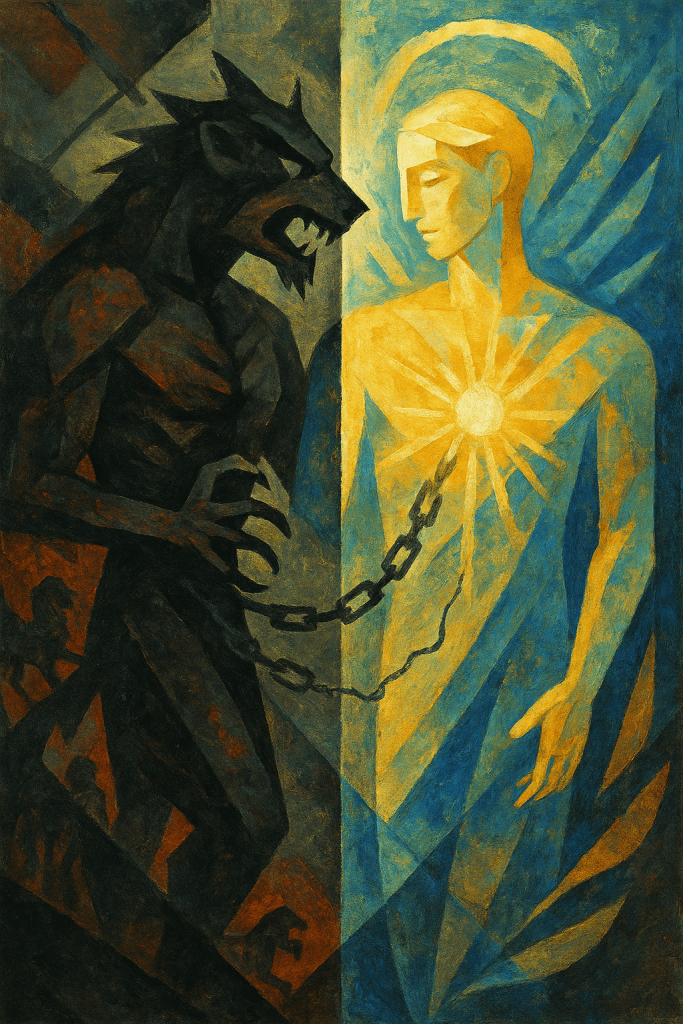
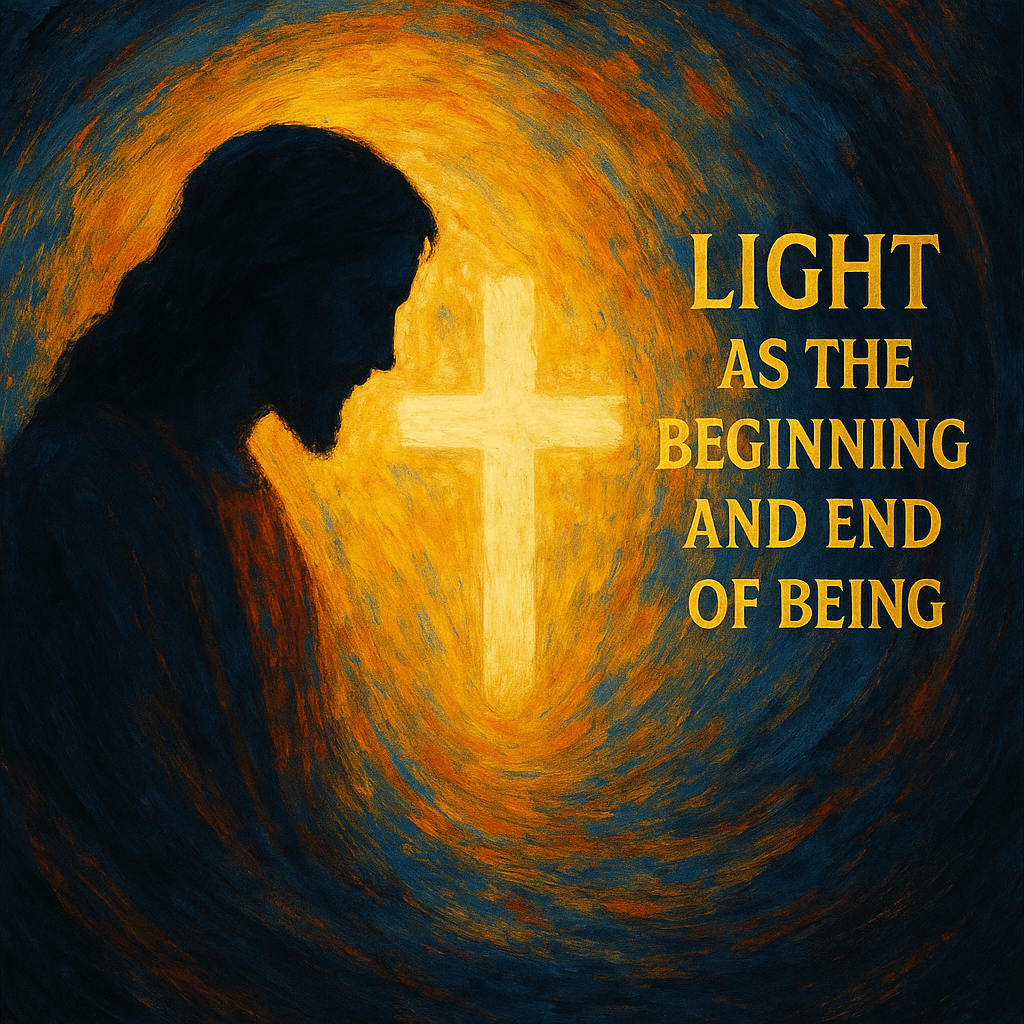



 Centeno's Lighthouse